
Description
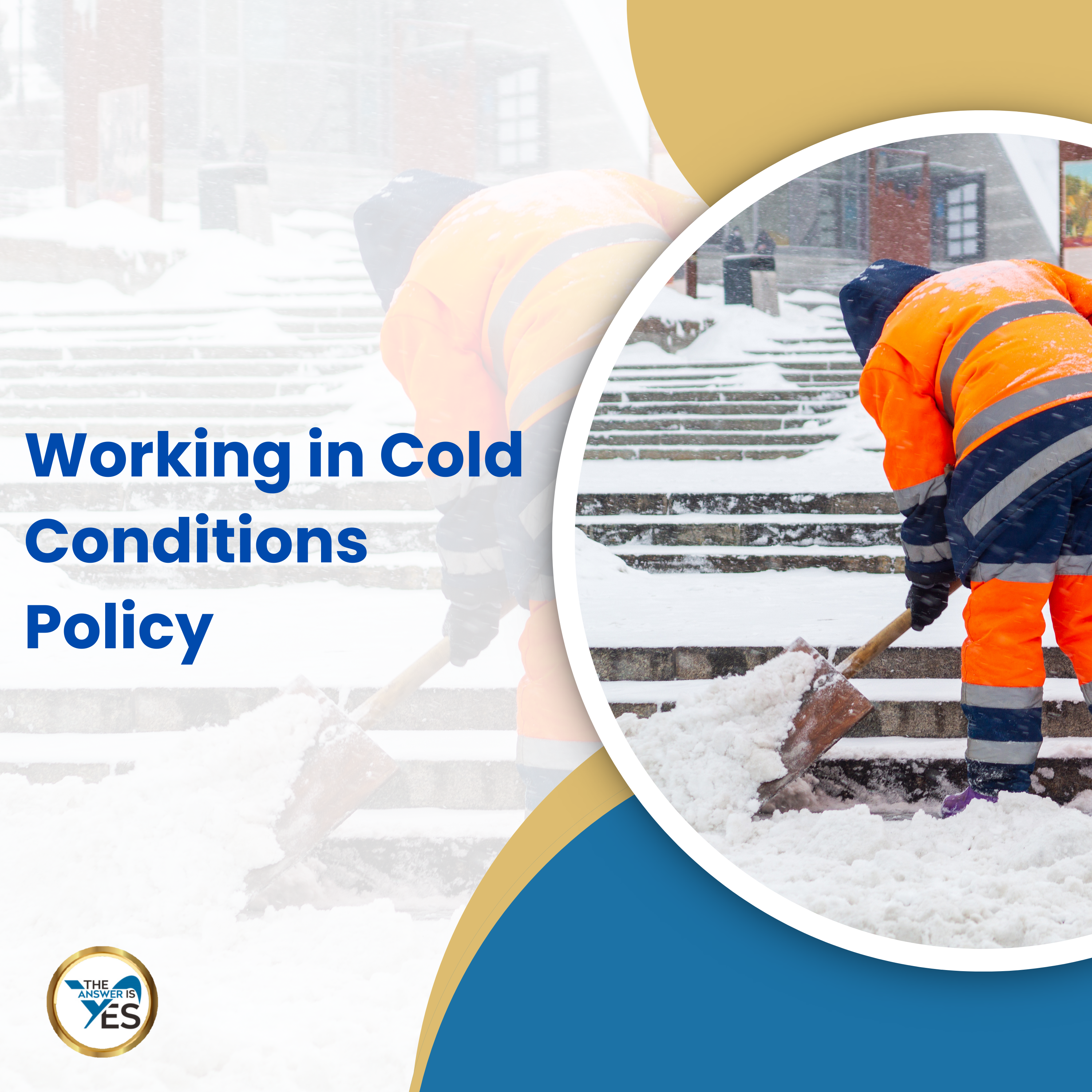
Working in Cold Conditions Policy
Because safety and health come first, even in the coldest environments.
The Working in Cold Conditions Policy outlines guidelines to protect employees from risks associated with cold environments. This policy ensures safe work practices, reduces the likelihood of cold-related illnesses and injuries, and complies with relevant Work Health and Safety (WHS) regulations.
Why Your Organisation Needs This Policy
Because Cold Conditions Pose Serious Risks
Working in cold environments can lead to hypothermia, frostbite, and reduced dexterity. This policy addresses these risks proactively to protect employees.
Because Safe Practices Prevent Illnesses
Clear guidelines for working in cold conditions minimise cold-related health issues and improve overall workplace safety.
Because Compliance is Mandatory
Adhering to WHS regulations ensures your organisation meets its legal obligations and demonstrates a commitment to employee well-being.
What the Policy Covers
1. Risk Assessment and Management
- Identify Cold Risks: Assess tasks, locations, and environments that expose employees to cold conditions.
- Evaluate Severity: Determine the likelihood and impact of cold-related risks and implement appropriate controls.
- Ongoing Reviews: Regularly review and update risk assessments to adapt to changing weather conditions or workplace scenarios.
2. Personal Protective Equipment (PPE)
- Provide Suitable Gear: Supply employees with appropriate cold-weather clothing, such as insulated jackets, gloves, boots, and headwear.
- Layering Recommendations: Encourage employees to wear layers to regulate body temperature effectively.
- PPE Maintenance: Ensure all protective clothing and equipment are regularly inspected and maintained.
3. Safe Work Practices
- Scheduled Breaks: Require employees to take regular breaks in warm areas to prevent cold stress.
- Task Rotation: Rotate tasks to limit prolonged exposure to cold conditions, especially in extreme environments.
- Warm-Up Facilities: Provide access to heated shelters or rest areas for employees working outdoors or in cold storage environments.
4. Health Monitoring and Support
- Health Checks: Encourage pre-employment and periodic health assessments for employees working in cold environments.
- Recognise Symptoms: Train employees to identify signs of hypothermia, frostbite, or other cold-related conditions and report them immediately.
- First Aid Preparedness: Ensure first aid kits are equipped to address cold-related injuries and that staff are trained to respond to such emergencies.
5. Training and Awareness
- Cold Condition Hazards: Educate employees about the risks of working in cold conditions and the importance of safety measures.
- PPE Usage: Train employees on the correct use and care of cold-weather protective equipment.
- Emergency Procedures: Provide training on responding to cold-related incidents, including evacuation or medical attention.
6. Compliance and Monitoring
- Regulatory Adherence: Ensure all cold-related work practices comply with WHS regulations and industry standards.
- Regular Audits: Conduct periodic audits of work practices, PPE, and employee adherence to safety guidelines.
- Incident Reporting: Require immediate reporting of any cold-related incidents or near-misses to improve preventive measures.
Benefits of This Policy
Enhanced Workplace Safety
Proactive measures reduce the risk of cold-related illnesses and injuries, ensuring employees can work safely and confidently.
Improved Productivity
Employees who are protected from cold stress can focus on their tasks, improving overall efficiency.
Regulatory Compliance
Adhering to WHS regulations ensures your organisation avoids penalties and maintains high safety standards.
Employee Confidence and Morale
Providing clear guidelines and necessary resources fosters trust and confidence among employees, showing that their safety is a priority.
Why Choose This Working in Cold Conditions Policy?
- Comprehensive Framework: Covers risk assessments, PPE, safe practices, and compliance, ensuring no detail is overlooked.
- Action-Oriented: Provides clear, actionable steps to protect employees and minimise risks.
- Aligned with WHS Regulations: Ensures compliance with Australian workplace safety laws and standards.
Take Action to Ensure Cold-Weather Safety
Implement the Working in Cold Conditions Policy to protect employees, reduce risks, and maintain compliance with safety regulations.
By enforcing this policy, you’ll create a safer, more productive environment for employees working in cold conditions. Because a safe workplace is a successful workplace, no matter the temperature.
If you have any questions, please contact us.




Reviews
There are no reviews yet.