
Description
Emergency Management Policy
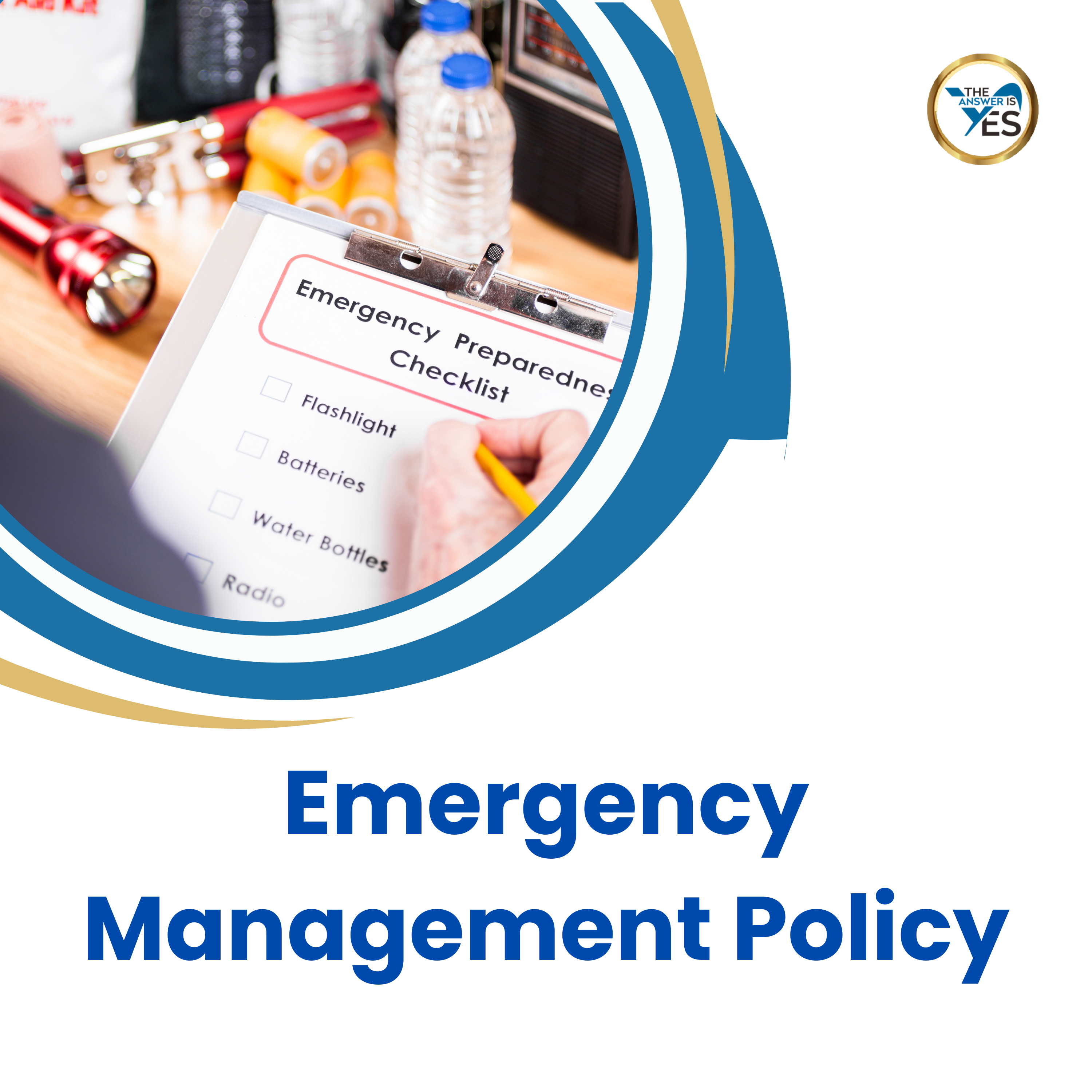
The Emergency Management Policy outlines the commitment to safeguarding the safety and wellbeing of all staff, visitors, contractors, and children in the event of an emergency or evacuation situation. By identifying risks, planning for their minimisation, and ensuring swift and effective action, this policy provides a structured approach to managing emergencies while maintaining compliance with local, state, and national regulations.
Because preparation saves lives.
Why Your Organisation Needs an Emergency Management Policy
Protect Lives and Minimise Risks
Emergencies can strike without warning. This policy ensures your team is ready to act swiftly and effectively to safeguard everyone on the premises.
Ensure Legal Compliance
Adhering to emergency response regulations at every level is not just required—it’s essential for the credibility and operational continuity of your organisation.
Prevent Chaos in Critical Moments
Clear guidelines and training ensure employees know exactly what to do during an emergency, reducing confusion and improving outcomes.
Promote Continuous Improvement
Regular reviews and updates to emergency plans keep your organisation ready to handle any situation, from natural disasters to on-site hazards.
What This Policy Covers
1. Risk and Hazard Identification
- Processes to assess potential emergency risks, such as fires, chemical spills, or natural disasters.
- Guidelines for evaluating the likelihood and impact of these hazards.
2. Emergency Preparedness
- Development of detailed emergency response plans tailored to specific risks.
- Clear roles and responsibilities for staff, including emergency response teams.
- Training programs to ensure all employees, contractors, and visitors understand evacuation procedures.
3. Emergency Evacuation Procedures
- Step-by-step instructions for safe evacuation of all occupants, including children and individuals with mobility challenges.
- Designation of evacuation routes, assembly points, and emergency shut-off systems.
4. Communication Protocols
- Systems for alerting employees and visitors during emergencies, such as alarms, announcements, or SMS notifications.
- Procedures for liaising with emergency services and authorities.
5. Post-Emergency Actions
- Guidelines for conducting post-incident reviews to identify areas for improvement.
- Processes for providing support to affected individuals, including counselling or debriefing sessions.
6. Compliance and Review
- Regular audits of emergency management plans to ensure alignment with regulations.
- Continuous improvement through drills, simulations, and feedback.
Benefits of This Policy
Enhanced Safety for Everyone
Proactively planning for emergencies reduces risks and ensures the safety of all individuals on your premises.
Legal and Regulatory Assurance
Compliance with emergency response laws protects your organisation from penalties and ensures readiness.
Improved Employee Confidence
A clear, practiced emergency plan empowers employees to respond effectively under pressure.
Reduced Downtime and Damage
Preparedness minimises disruptions and accelerates recovery, protecting both lives and assets.
Why Choose This Emergency Management Policy?
- Comprehensive and Practical: Covers every stage of emergency management, from preparation to post-incident review.
- Aligned with Australian Standards: Fully compliant with local, state, and national regulations.
- Proactive and Actionable: Focused on reducing risks and equipping employees to handle crises effectively.
Be Prepared. Stay Safe. Act Swiftly.
Equip your organisation with the Emergency Management Policy to ensure safety, minimise risks, and comply with emergency regulations.
With this policy in place, you’ll create a workplace that prioritises preparation, reduces chaos, and protects lives in critical moments. Because in an emergency, being prepared makes all the difference.
If you have any questions, contact us today.





Reviews
There are no reviews yet.