
Description
Flexible Working Policy
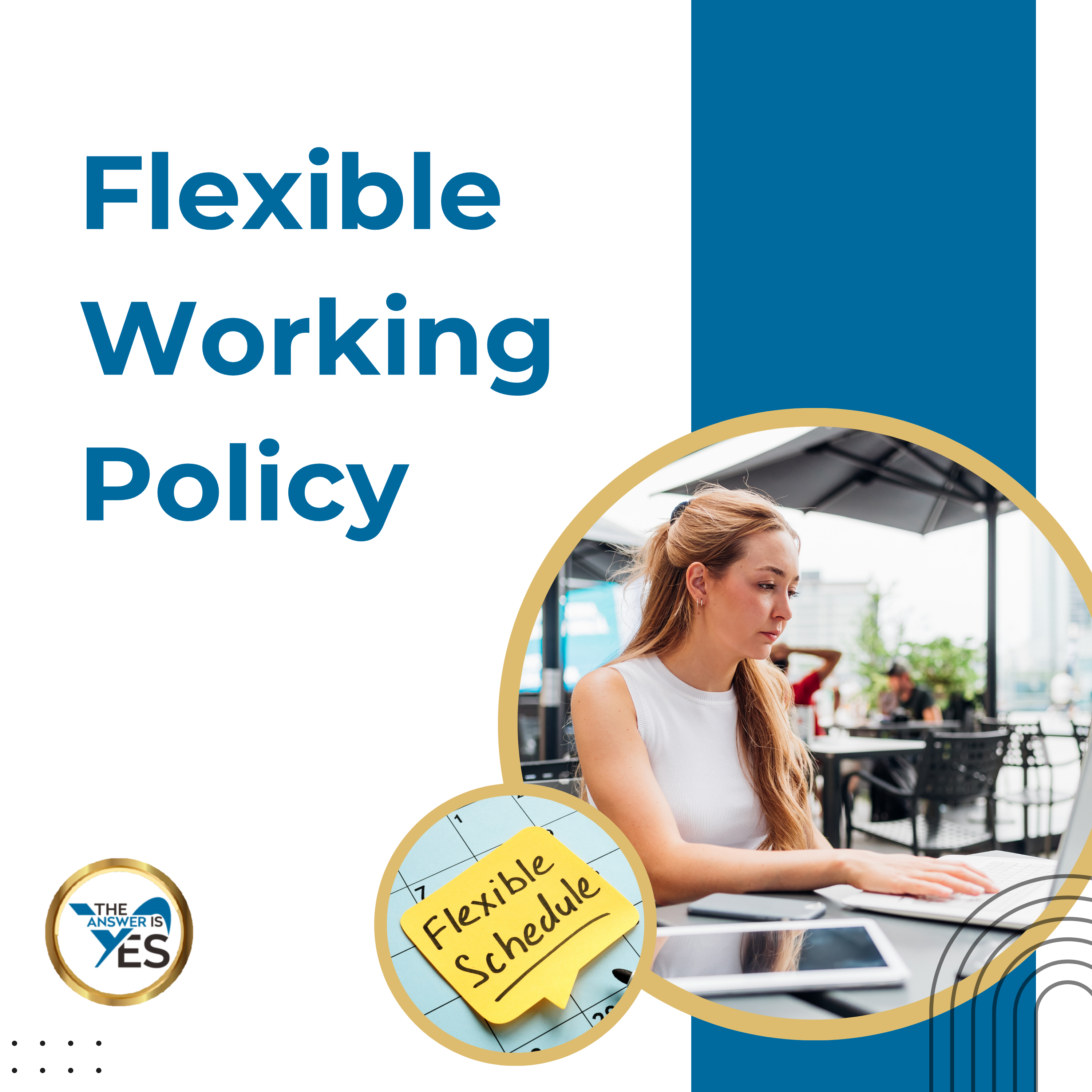
The Flexible Working Policy reflects the organisation’s commitment to supporting employees in balancing personal and professional responsibilities. By offering flexible working arrangements, this policy fosters a work environment that prioritises productivity, satisfaction, and overall well-being.
Because work-life balance benefits everyone.
Why Your Organisation Needs This Policy
Because Flexibility Boosts Productivity
When employees have control over their schedules, they perform better and meet goals efficiently.
Because Balance Reduces Burnout
Supporting work-life balance creates happier, healthier, and more engaged employees.
Because Adaptability Attracts Talent
Offering flexibility appeals to a wider pool of candidates, making your organisation a preferred employer.
What the Flexible Working Policy Covers
1. Purpose and Scope
- Who It Applies To:
- All employees, including full-time, part-time, and casual workers.
- What It Covers:
- Flexible working arrangements such as adjusted hours, remote work, job sharing, and compressed workweeks.
2. Types of Flexible Working Arrangements
- Remote Work: Employees can perform their roles from home or other locations with manager approval.
- Adjusted Hours: Employees may shift their start and finish times to better suit personal commitments.
- Job Sharing: Two employees may share the responsibilities of one role.
- Compressed Workweek: Employees may work longer hours over fewer days to meet weekly commitments.
3. Application and Approval Process
- Eligibility Criteria:
- Employees must meet the minimum tenure requirement, if applicable, and ensure their role can accommodate flexibility.
- Application Process:
- Submit a written request detailing the desired arrangement, reasons, and how it supports productivity.
- Manager Review:
- Managers will assess the request based on operational needs, team impact, and feasibility.
- Trial Period:
- Approved arrangements may begin with a trial period to evaluate effectiveness for both the employee and organisation.
4. Responsibilities
- Employees:
- Ensure flexible arrangements do not compromise productivity or team collaboration.
- Communicate clearly with managers and colleagues about availability.
- Managers:
- Review and respond to requests promptly and fairly.
- Monitor the success of arrangements and address any challenges.
- HR Team:
- Provide guidance on policy implementation and mediate disputes if necessary.
5. Monitoring and Adjustment
- Regular Reviews:
- Flexible working arrangements will be reviewed periodically to ensure they meet the needs of both the employee and organisation.
- Revisions:
- Changes to the arrangement may be made with mutual agreement if operational needs evolve.
6. Supporting Tools and Resources
- Provide employees with the technology and tools needed to succeed in remote or flexible roles.
- Offer training to help managers and employees navigate flexible working effectively.
Benefits of Implementing This Policy
Improves Employee Satisfaction
Flexible arrangements empower employees to meet both work and personal commitments.
Enhances Productivity
Employees perform at their best when they have the flexibility to work during their most productive hours.
Attracts and Retains Talent
Offering flexible options makes your organisation more appealing to top candidates and reduces turnover.
Promotes Inclusivity
Flexibility supports employees with diverse needs, such as caregivers, students, or those with disabilities.
Why Choose This Flexible Working Policy?
- Comprehensive Framework: Covers a range of flexible arrangements to suit various roles and needs.
- Fair and Transparent: Ensures consistency and fairness in the application process.
- Aligned with Modern Work Practices: Reflects the evolving needs of today’s workforce.
Take the First Step Toward a Balanced Workplace
Implement the Flexible Working Policy to enhance work-life balance, improve productivity, and attract top talent.
Because flexibility isn’t just a perk—it’s the future of work.



Reviews
There are no reviews yet.