
Building Capability for Home Care Support Workers
Home care workers operate in environments that are very different from traditional workplaces. Instead of controlled settings, workers must navigate hazards inside private homes, manage challenging situations independently and maintain strict professional boundaries. Therefore training must go beyond theory. Workers need practical knowledge that helps them respond safely and confidently in real situations.
Home and Community Care Training
Home and community care plays a critical role in supporting older Australians and vulnerable people to live safely, independently and with dignity. However, this work also carries significant responsibility.
Support workers regularly enter private homes, manage health risks, work alone and support clients with complex physical, emotional and social needs. Therefore strong capability in safety, ethics, communication and professional boundaries is essential.
The Answer Is Yes provides practical training designed specifically for the home and community care sector. These programs help organisations strengthen workforce capability, improve client safety and ensure staff understand their responsibilities when working in client homes.
Our courses support home care providers, disability support services, aged care organisations and community care teams who want confident, well trained staff.

Understanding the Role of a Home Care Support Worker
Scope of duties, professional boundaries and ethical responsibilities when supporting clients in their homes.

Working Alone Safely in a Home Care Setting
Develop the awareness and practical strategies needed to stay safe when providing care independently in clients’ homes.
Infection Control Training
Understand how to prevent the spread of infections in home care environments through proper hygiene practices, protective measures and safe care procedures.

Manual Handling Training for Support Workers
Learn how to safely assist clients with movement, transfers and daily activities while reducing the risk of injury to both the support worker and the client.

Elder Abuse Awareness and Mandatory Reporting
Understand how to recognise the signs of elder abuse, respond appropriately and meet legal and ethical reporting responsibilities.

The Essentials in HR Inductions
Bullying, confidentiality, privacy, email and internet use, grievance procedures, intellectual property, social media, drug and alcohol policies, infectious diseases and Work Health and Safety.

Fire Training for Home Care Workers
Learn how to recognise fire risks in home environments and respond safely to protect both clients and yourself in an emergency.

Cyber Awareness Training
Learn how to protect sensitive client information, recognise cyber risks and maintain privacy when using digital systems in care settings.

Taking Control of Your Own Mental Health
Learn practical strategies to manage stress, maintain emotional wellbeing and protect your own mental health while supporting others in demanding care environments.

It Does Not Have to be Difficult to Deal with Difficult People
Develop practical techniques to remain calm, professional and confident when dealing with challenging behaviours from clients, families or colleagues.

Support Over Suicide: Certified Training for Healthcare Professionals (CPD)
Build the knowledge and confidence to recognise suicide risk, respond safely and support individuals experiencing suicidal thoughts.

Active Listening Skills
Develop the ability to truly hear and understand clients’ needs, concerns and emotions through focused and attentive listening.

How to Develop Professional Writing Skills
Improve the quality of care notes, reports and written communication used in professional care environments.

How to Develop Your Questioning Skill
Learn how to ask the right questions to gather accurate information, understand client needs and clarify situations.

Develop Empathy as a Skill
Strengthen your ability to understand and respond to the emotional experiences of clients in a supportive and respectful way.
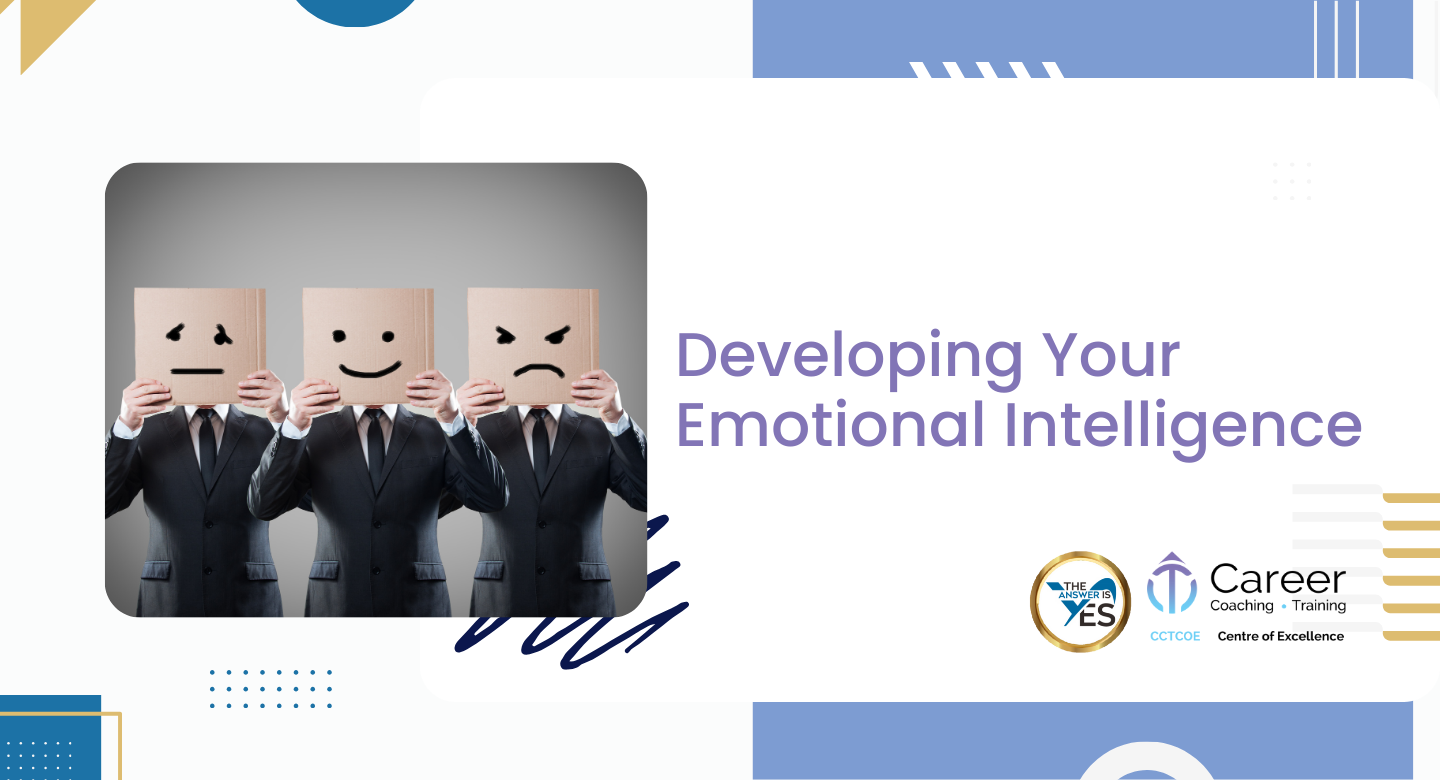
Developing Your Emotional Intelligence
Learn how to recognise and manage emotions, improve relationships and respond calmly in emotionally complex situations.

5 Steps to Cultural Clarity to Counteract Racism
Develop cultural awareness and practical skills to provide respectful care across diverse cultural backgrounds.

How to Have SAFE Mental Health Conversations with Staff
Learn structured approaches to recognising mental health concerns and having supportive conversations with colleagues who may be struggling.

How to Manage Conflict with Colleagues
Develop practical skills to resolve workplace disagreements respectfully and maintain positive professional relationships.