
What You Will Learn
Our infection control training goes beyond theory. It provides practical knowledge you can apply every day. Key areas covered include:
- • Hand hygiene – understanding when and how to clean your hands effectively.
- • Use of PPE (Personal Protective Equipment) – choosing, wearing, and disposing of masks, gloves, gowns, and other protective gear.
- • Cleaning and disinfecting – knowing the correct methods for different surfaces and environments.
- • Waste management – safe disposal of hazardous and non-hazardous materials.
- • Transmission-based precautions – recognising how infections spread and applying the right strategies to stop them.
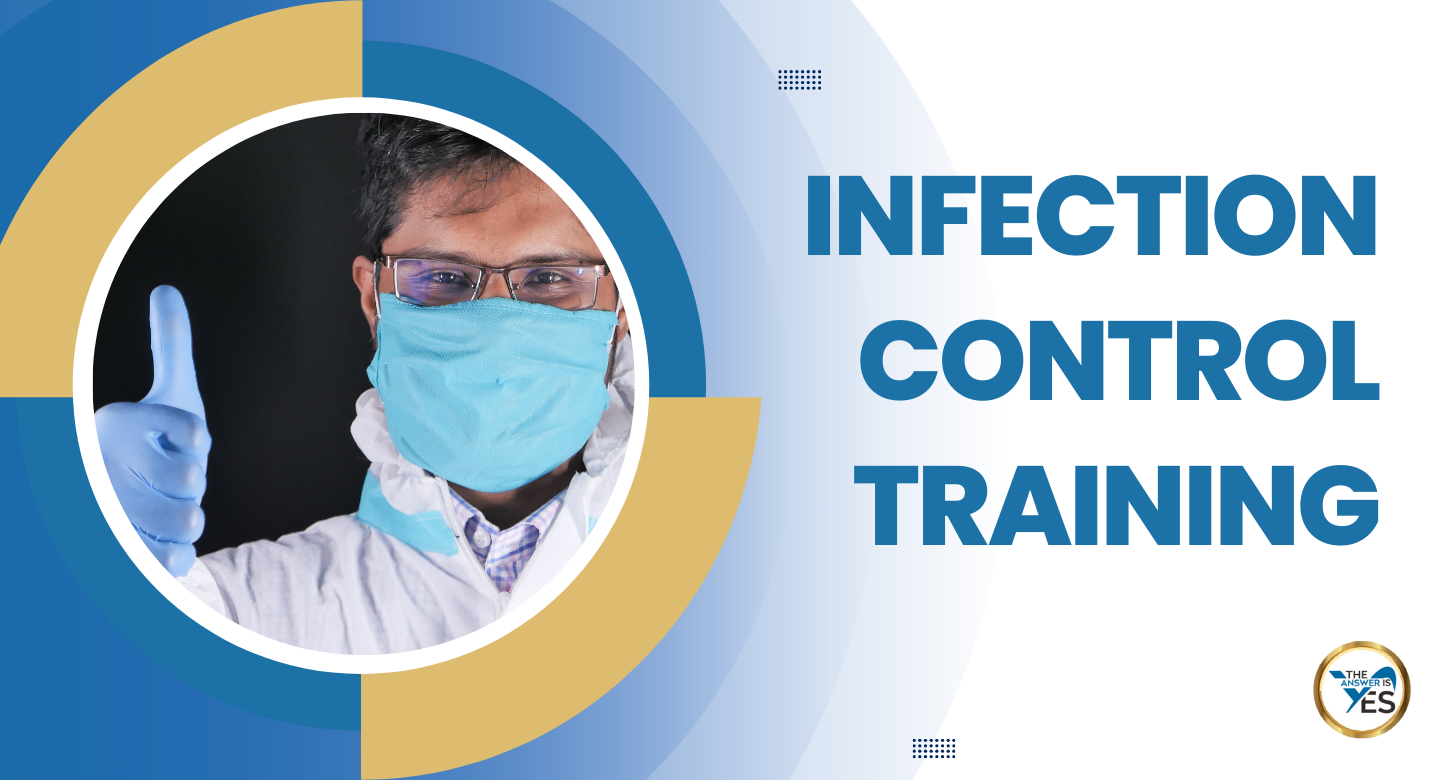
Infection Control Training
Infection control is one of the most important foundations of safe, high-quality care. Whether you work in healthcare, aged care, home support, or community services, infection control training ensures you have the knowledge and skills to protect yourself, your colleagues, and the people you support.
Why Infection Control Matters
Infections can spread quickly and cause serious harm. They affect not only patients and clients but also staff and visitors. By following proper infection control practices, you help reduce risks, prevent outbreaks, and create a safer environment for everyone.
Protecting Health, Supporting Care
Infection control is not just a procedure—it is a commitment to protecting the wellbeing of others. By completing training, you take an active role in preventing harm and ensuring care environments remain safe and supportive.
Start your training today and build the confidence to protect yourself and those around you.
Flexible and Practical Learning
Because infection risks are present in every workplace, training is designed to be straightforward, practical, and easy to follow. You can complete modules at your own pace and immediately apply the lessons in your daily work. This flexibility ensures you keep your skills up to date without disrupting your schedule.
Benefits of Infection Control Training
When you complete infection control training, you not only meet compliance requirements—you also:
- • Increase safety for clients, patients, and colleagues.
- • Strengthen your professional confidence and decision-making.
- • Reduce the risk of workplace-acquired infections.
- • Contribute to a culture of health, safety, and responsibility.