
Who is this course for?
This course is designed for adults navigating the personal and functional impact of adversity, prolonged stress, burnout, grief or major change.
It may be particularly relevant to a wide range of people and workplace situations.
Employees and professionals may find the course useful when returning to greater responsibility after a difficult period.
Managers, leaders and business owners can use the course to explore depleted capacity, changing priorities or a sense of disconnection.
Carers may benefit when they have spent a long time prioritising the needs of others and are beginning to refocus on their own capacity.
Following significant life disruption, such as loss, redundancy, relationship breakdown, health concerns or family disruption, the course provides a structured opportunity for reflection.
For people continuing to meet their obligations, it can help identify when their current way of functioning may no longer be sustainable.
Within organisations, the course can also provide non-clinical professional development in self-management, resilience and sustainable performance.
Importantly, the course is educational and capability-building. It is not therapy, diagnosis, counselling or mental health treatment.
Capability outcomes
By the end of the course, learners should be better able to:
• Recognise personal, emotional, behavioural and environmental factors that influence their current capacity and day-to-day functioning.
• Apply practical self-management strategies that support energy, boundaries, connection and emotional direction. These strategies can also support more intentional responses.
• Translate insight into sustainable rebuilding actions by clarifying priorities, drawing on strengths and consciously shaping what comes next.
How can organisations use this course?
Organisations may use Revitalise Your Life After Adversity as a professional development or workforce wellbeing resource. For example, it may be useful after sustained pressure, organisational change, restructuring, role disruption or workforce fatigue.
The course can support capability in self-management, emotional awareness, personal responsibility and boundaries. In addition, it explores sustainable energy use, connection and intentional decision-making.
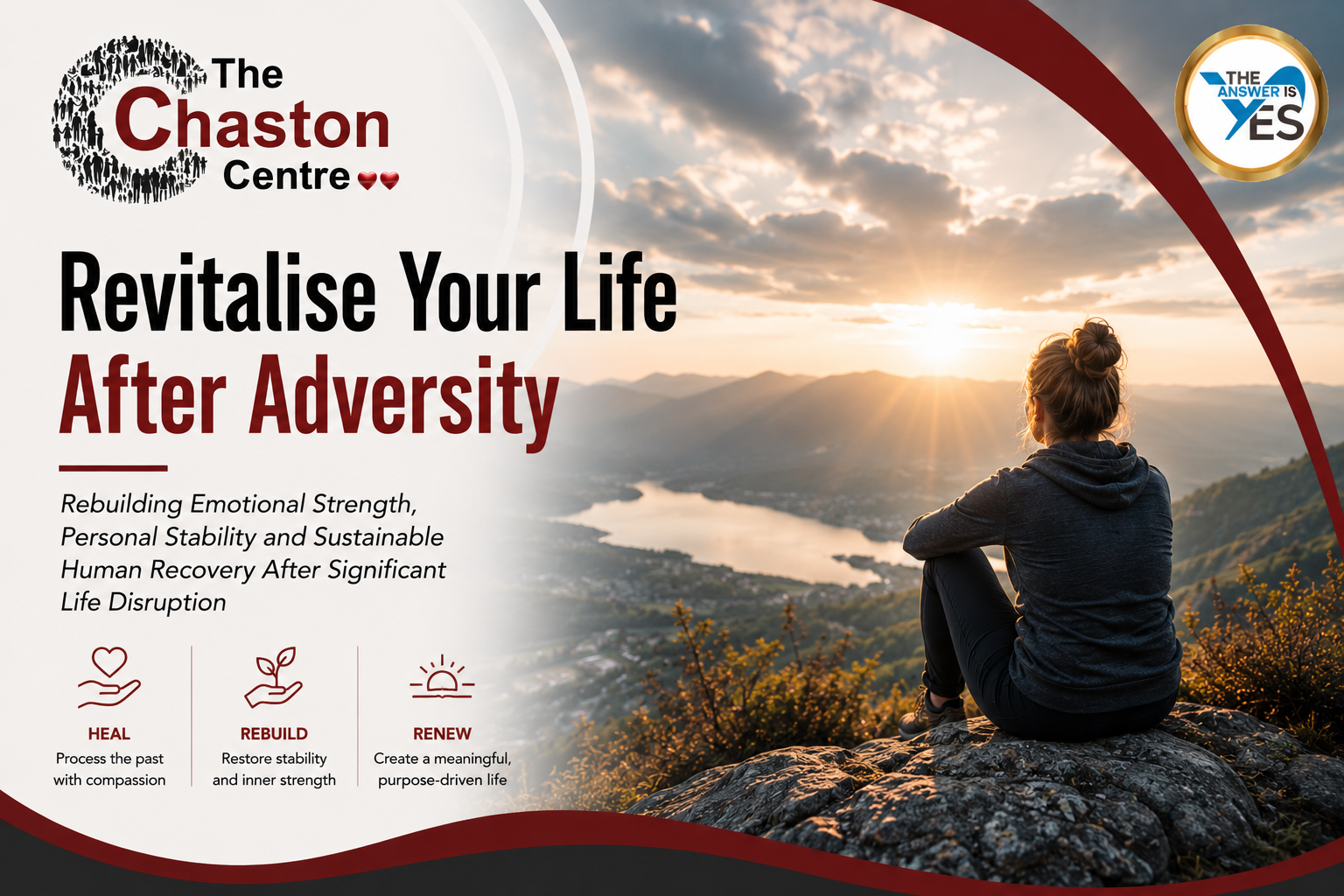
Revitalise Your Life After Adversity
When life has moved on but you do not feel like yourself
After a difficult or disruptive period, you may keep working, caring for others and meeting responsibilities while feeling very different internally. Your energy may be depleted, and familiar routines may no longer support you. You may also feel disconnected from other people or uncertain about your direction.
At the same time, it can be frustrating when you have not simply “bounced back”.
Revitalise Your Life After Adversity recognises that outward functioning and internal capacity are not the same thing. Therefore, the course provides a structured pathway for understanding what may be influencing how you function now. It also helps you identify practical actions that can support more sustainable everyday choices.
Rather than pretending the difficult period did not happen, this course focuses on moving forward. It does not expect you to return to the person you were before it. Instead, it provides an opportunity to reflect, rebuild and develop greater awareness, clarity and agency.
What does rebuilding after adversity involve?
Rebuilding is rarely one decision or a straight path. Instead, it may involve recognising what supports or depletes you. It can also mean noticing patterns without turning reflection into self-criticism.
Over time, rebuilding may involve clarifying what matters now and translating insight into small, intentional actions.
The course brings five progressive rebuilding areas together. As a result, learners can consider their functioning as a connected whole. Energy, emotions, boundaries, relationships and future direction are explored as interconnected areas rather than unrelated problems.
What will you explore?
The course explores five connected areas of rebuilding.
Internal stability
Consider how time, rest, safety, breath and energy can influence your capacity. You will also explore nourishment, movement and your environment.
Self-awareness
Explore thoughts, beliefs, emotions and your inner voice. In addition, consider body signals, habits and personal patterns with greater curiosity and awareness.
Emotional direction
Develop greater clarity around intentions, choices and priorities. The course also considers boundaries, motivation, courage, worthiness and consistency.
Connection
Reflect on your connection with yourself, other people and the wider world. This includes voice, empathy, relationships, nature and belonging.
Future possibility
Explore strengths, desires, clarity and meaning. From there, consider fulfilment and a renewed sense of self as you think about what comes next.
Throughout the course, guided reflections support deeper consideration of these areas. Implementation activities then help turn insight into practical actions that can be tested in everyday life.
Together, these capabilities may help people recognise capacity limits and communicate their needs. They may also support more constructive engagement during periods of pressure and change.
However, the course should complement, not replace, an organisation's work health and safety duties. Likewise, it does not replace psychosocial risk controls, employee assistance programs or access to appropriately qualified health professionals.
About the course author: Karen Chaston
Karen Chaston is a Performance Alignment and Behavioural Capability Specialist who combines corporate leadership, behavioural capability development and lived experience of significant loss.
Karen is the CEO and Founder of The Chaston Centre and co-creator of The Emotional Fingerprint of an Adoptee, a body of work exploring how early experiences shape identity, behaviour, and relationships across the lifespan.
Start by rebuilding the foundations that support how you function day to day rather than demanding an immediate return to who you were before. The course works progressively across internal stability, self-awareness, emotional direction, connection and future possibility, helping you identify practical actions that fit your current capacity.
When this course is not the right support
This course is not designed for crisis support, diagnosis or treatment. If distress is significantly affecting your daily life, speak with your GP or an appropriately qualified mental health professional. If you or someone you know is in immediate danger, call Triple Zero (000). Lifeline provides 24-hour crisis support on 13 11 14.
Move beyond simply coping
You do not have to rush your rebuilding or pretend that everything is fine. Revitalise Your Life After Adversity offers a guided opportunity to understand what is influencing your current capacity, reconnect with what matters and identify practical actions that support a more sustainable way forward.
Ready to begin your rebuilding journey?
Enrol in Revitalise Your Life After Adversity and start developing the awareness, choices and personal capability to shape what comes next.