
Understanding the Foundations of Self-Respect
Healthy relationships begin with a healthy relationship with oneself. When individuals understand their needs, values and emotional responses, they become better equipped to engage with others constructively.
Self-respect allows people to communicate honestly without fear of rejection. It also enables them to listen openly without feeling threatened by different perspectives. As self-awareness increases, emotional reactions become easier to manage and communication becomes more thoughtful.
This course explores how beliefs, experiences and internal dialogue influence self-perception. Participants learn how to recognise patterns that weaken self-confidence and how to replace them with healthier perspectives.
Breaking Patterns That Undermine Relationships
Many relationship challenges emerge from patterns developed earlier in life. These patterns may include people-pleasing, fear of conflict, difficulty expressing needs or over-dependence on approval from others.
Without awareness, these patterns often repeat across friendships, family relationships and professional interactions. Over time they can create tension, misunderstanding or emotional imbalance.
Through reflective learning and practical exercises, this course helps participants identify patterns that may be undermining their relationships. Once these patterns are recognised, individuals can begin developing healthier ways of communicating and connecting with others.
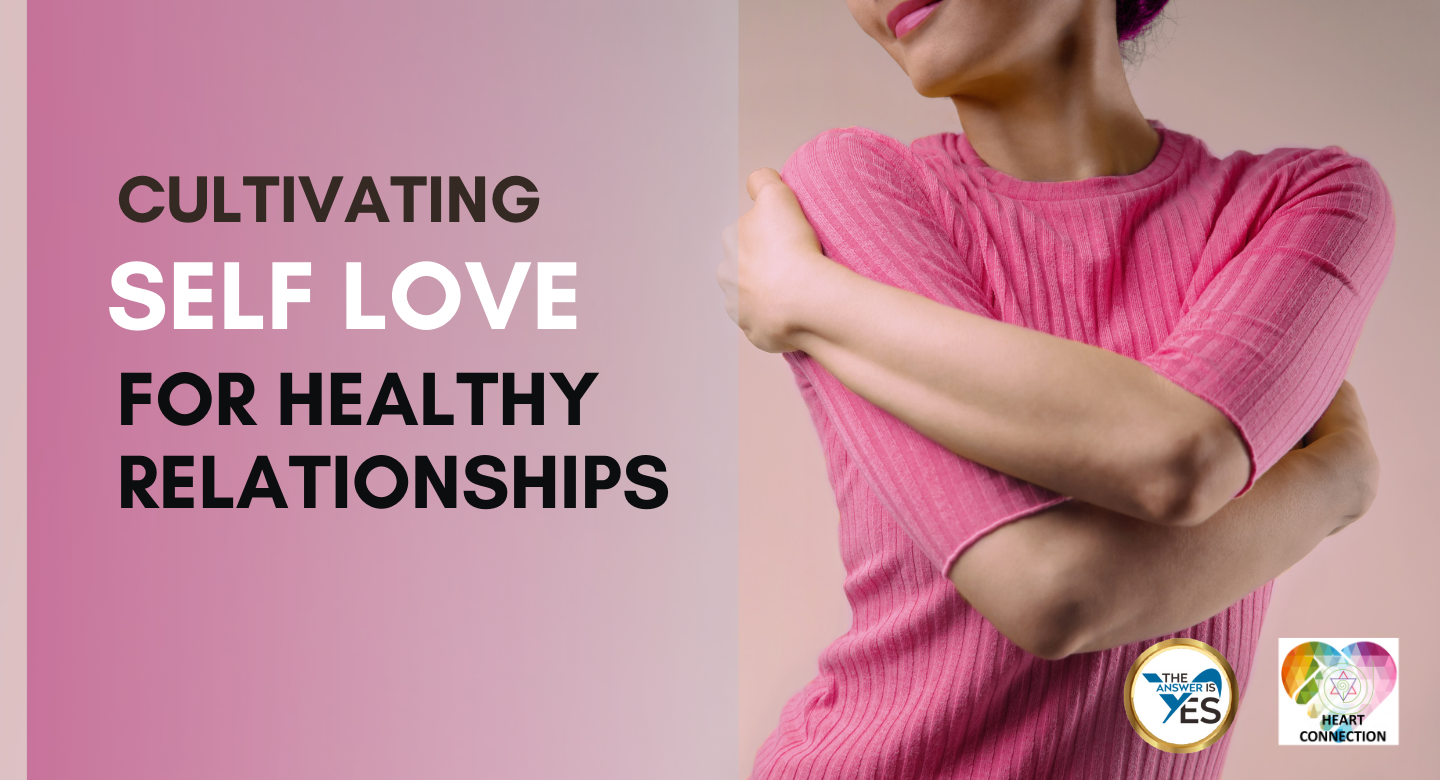
Cultivating Self Love for Healthy Relationships
Why Self-Love Shapes Every Relationship
Self-love forms the foundation of healthy relationships. When individuals respect themselves, they communicate more clearly, set healthier boundaries and build stronger emotional connections with others. However, many people misunderstand self-love. Some believe it is selfish or self-focused. In reality, genuine self-love creates stability, emotional awareness and personal responsibility. As a result, relationships become more balanced, respectful and supportive.
Without self-love, people often seek validation from others. Consequently, relationships may become dependent, strained or emotionally exhausting. Over time, this can lead to frustration, resentment or loss of personal confidence. This course explores how cultivating self-love strengthens both personal wellbeing and relationship quality. Participants learn practical strategies to build self-respect, improve emotional awareness and develop healthier relational patterns.
Strengthening Emotional Awareness and Boundaries
Healthy relationships depend on emotional clarity and mutual respect. When individuals understand their own emotions, they are better able to communicate their needs and respond constructively to others.
This course explores how to develop emotional awareness while maintaining healthy personal boundaries. Participants learn how boundaries protect wellbeing, support mutual respect and strengthen relationship trust.
By understanding how to express needs clearly and respectfully, individuals create environments where relationships can grow with greater honesty and stability.
Building Relationships That Support Growth
Self-love also influences the kinds of relationships people attract and maintain. Individuals who respect themselves tend to seek connections that are supportive, balanced and growth-oriented.
Rather than tolerating unhealthy dynamics, they develop the confidence to prioritise relationships that encourage mutual respect and emotional wellbeing.
This course encourages participants to reflect on the qualities that define healthy relationships. By understanding these qualities, individuals gain greater clarity about the types of connections that support their long-term wellbeing.