
Learning Through Story, Song and Movement
Across Aboriginal cultures, knowledge is shared through story, sound, movement and lived experience. Children learn by watching, listening, copying, repeating and participating. Consequently, learning becomes active rather than passive.
This teaching approach supports early learners because it speaks to the whole child. Children move, listen, respond and remember. Therefore, cultural learning becomes something they experience, not something they simply hear.
Indigenous Ways of Teaching and Learning—Early Learning
Indigenous Ways of Teaching and Learning—Early Learning introduces children to First Nations learning through story, song, language, movement and connection to Country. Aboriginal ways of teaching value observation, listening, repetition, creativity and learning through relationship with land, culture and community.
These learning experiences help educators create culturally responsive early learning environments that feel respectful, engaging and developmentally appropriate. As a result, children begin exploring First Nations knowledge in ways that feel natural, joyful and meaningful.
Culturally Responsive Early Learning
Courses in this stream help educators introduce Indigenous ways of teaching and learning with care and confidence. Lessons support early childhood settings by combining cultural respect with practical classroom application.
Educators receive guidance that helps them embed First Nations perspectives into everyday learning. In turn, children begin building curiosity, respect and early cultural understanding through safe and meaningful experiences.
Why This Stream Matters
When children experience Indigenous ways of teaching and learning, they begin understanding that knowledge can be shared through story, movement, language and connection. They also begin seeing Country, culture and community as part of the learning journey. These early experiences help children build respect, curiosity and cultural awareness. Most importantly, they help educators create learning spaces where First Nations knowledge is honoured with integrity.
Courses in STREAM 3 — Indigenous Ways of Teaching and Learning
Full Term Cultural Learning Programs
These programs are being developed to provide a complete term of culturally grounded learning for early learning environments. Each program will include educator learning modules, structured lesson plans and classroom activities that help children explore Country, culture and Aboriginal knowledge systems.
Educators will receive step by step guidance to embed First Nations perspectives into everyday learning while maintaining cultural respect and integrity. Full term cultural programs are currently in development and will be released as they become available.
Individual Cultural Lessons
Individual cultural lessons provide shorter learning experiences that introduce specific First Nations concepts through age appropriate learning activities. These lessons support educators who want meaningful cultural learning without needing a full term program.
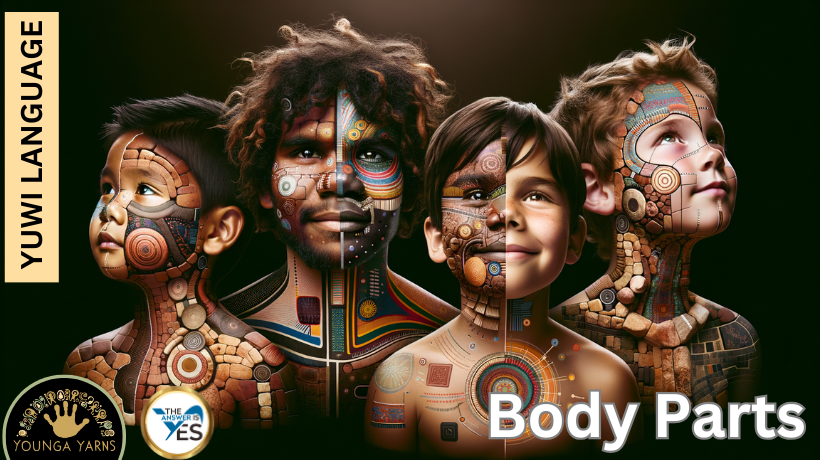
Learning Body Parts in Yuwi
This course introduces early learners to Yuwi language through movement, song and playful exploration of the human body. Educators are supported with cultural context and practical activities that help children learn body part words while experiencing Indigenous ways of teaching through rhythm, repetition and participation.