
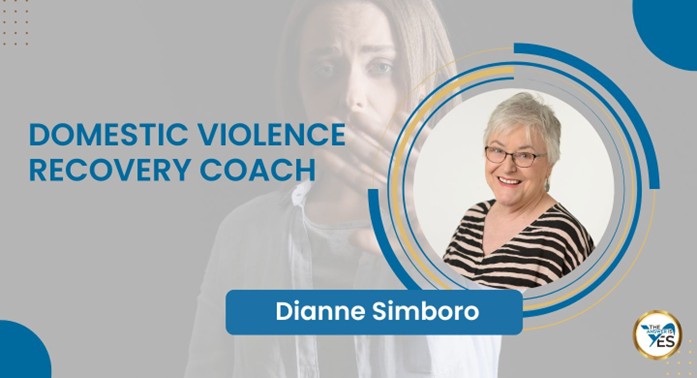
Dianne Simboro — Capability Expert
Contribution to Capability
Dianne Simboro brings specialised expertise in family violence recovery to the advancement of safeguarding capability across organisations and communities. Her work equips professionals and institutions with the insight required to recognise coercive control, respond appropriately to risk, and support individuals navigating complex recovery journeys.
Importantly, Dianne addresses one of society’s most challenging and often hidden threats — patterns of abuse that undermine safety, wellbeing, and long-term stability. As a result, organisations are better positioned to intervene early, strengthen duty-of-care practices, and foster environments grounded in awareness and protection.
Drawing on both professional expertise and lived experience, she translates behavioural insight into practical knowledge that supports confident decision-making in sensitive situations. Consequently, institutions enhance their ability to respond with clarity, compassion, and responsibility.
Professional Experience
Dianne has worked extensively within the multicultural mental health and family violence sector, supporting survivors through advocacy, complex case coaching, volunteer training, and community-led initiatives. Her partnerships with major support organisations have strengthened programs designed to promote safety, resilience, and informed recovery.
Her lived experience further deepens her professional insight, enabling her to approach this work with both analytical understanding and profound empathy. This dual perspective allows her to guide organisations in addressing sensitive challenges with confidence and care.
Through sustained commitment to education and awareness, Dianne continues to influence environments seeking stronger safeguarding capability and more effective support pathways.
Extending Capability
Dianne’s work extends beyond survivor support into the broader mission of strengthening protective environments. She helps organisations close the long-term recovery gap by equipping leaders and professionals with the knowledge required to prevent ongoing harm and support sustainable healing.
For organisations, this results in stronger duty-of-care practices, increased safeguarding confidence, and environments better prepared to respond to complex human risk.
Authority Statement
Family Violence Recovery Specialist strengthening organisational safeguarding capability, trauma awareness, and long-term recovery pathways.
Credential Bar
15+ years experience | Behavioural Profiling | Trauma Recovery | Coercive Control | Safeguarding
Dianne’s work strengthens the protective capability organisations depend on — enabling safer environments, informed intervention, and pathways toward sustained recovery.
Expertise
- —Coercive control recognition and education
- —Trauma-informed recovery frameworks
- —Behavioural profiling
- —Safeguarding practices
- —Mental health awareness
- —Advocacy and survivor support
- —Community protection strategies
Safeguarding Perspective
Protection begins with understanding. Institutions that recognise the behavioural patterns underpinning coercive control are far better equipped to intervene early and reduce harm.
Education strengthens awareness, yet awareness alone is insufficient. Organisations must cultivate environments where informed action is possible and survivors are supported with dignity and respect.
When safeguarding capability is embedded into organisational culture, safety becomes proactive rather than reactive — protecting not only individuals, but the integrity of the institution itself.
Supports Capability In
- —Safeguarding Capability
- —Wellbeing Capability
- —Community Capability