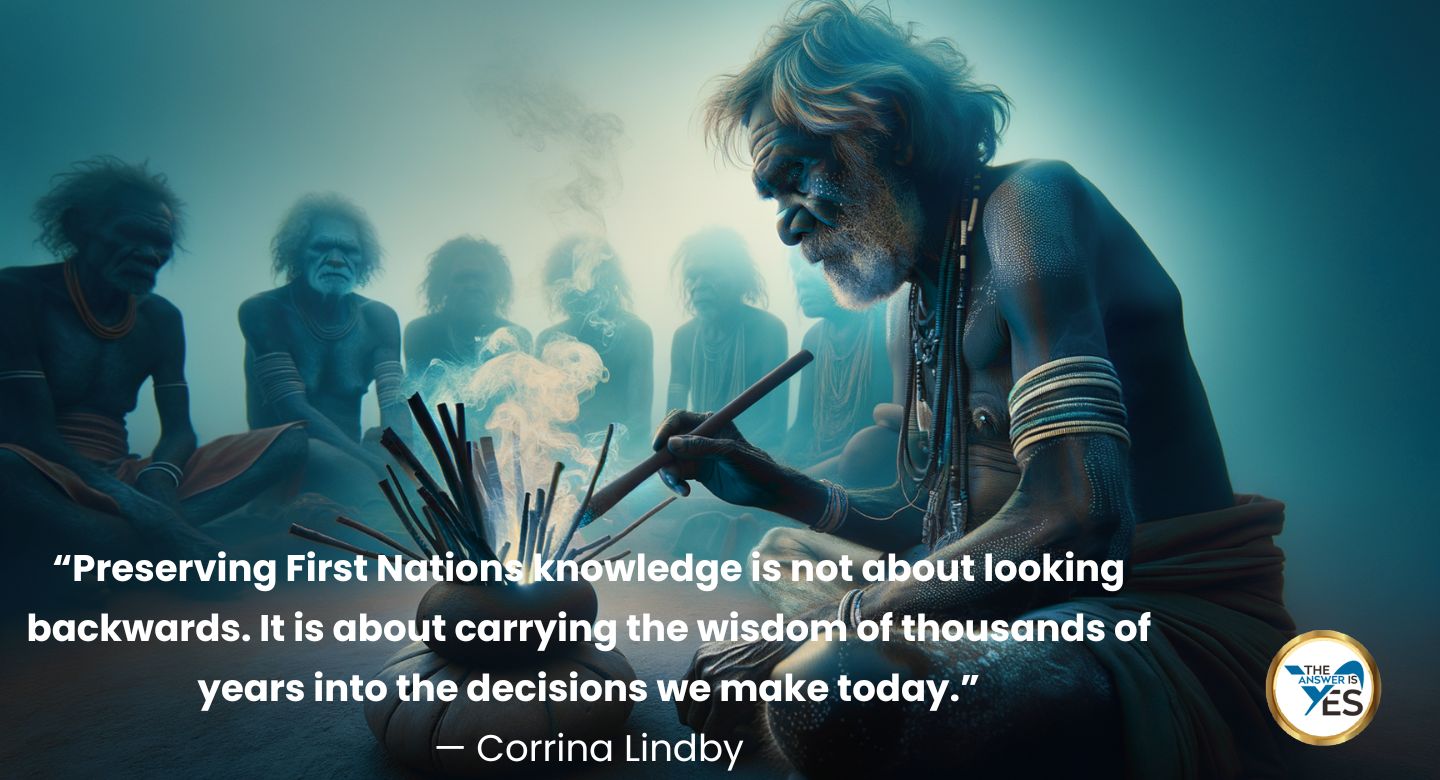

Learning About Cultural Authority
Primary programs within this pathway introduce students to the ways Aboriginal communities organised leadership and cultural responsibility. Rather than focusing on individual power, cultural authority often sits with Elders, knowledge holders and community leaders who carry responsibility for protecting cultural knowledge and guiding younger generations.
Students explore how cultural authority influences everyday life. They learn why permission is important when entering another Country, why Elders hold respected roles within communities and how cultural protocols guide behaviour and decision-making.
These lessons help students understand that governance in First Nations societies is grounded in respect, responsibility and relationships.
Cultural Authority and Governance — Primary
Understanding Country, Boundaries and Cultural Responsibility
Cultural Authority and Governance — Primary introduces students to the foundations of how Aboriginal and Torres Strait Islander nations organised society through law, responsibility and connection to Country. Across Australia, First Nations peoples developed sophisticated governance systems long before colonisation. These systems guided how communities cared for land, respected cultural authority and maintained relationships with neighbouring nations.
Through age-appropriate learning, primary students begin to explore the concept that Country is not simply land. Instead, Country represents a living relationship between people, culture, environment and ancestors. Students also learn how Traditional Custodians hold responsibility for caring for land and maintaining cultural knowledge.
As students develop understanding, they begin to recognise that Aboriginal societies maintained clear boundaries, cultural protocols and systems of respect. These governance structures helped communities manage resources, resolve conflict and ensure cultural knowledge was passed between generations.
Cultural Governance in Practice
Programs within the Primary Cultural Authority and Governance pathway may explore topics such as:
— Understanding Welcome and Acknowledgement of Country
— Aboriginal Borders and Nations
— Traditional Custodians and responsibility to land
— Respecting Elders and cultural authority
— Cultural protocols when visiting another Country
— Understanding colonisation from an Aboriginal perspective
Through these topics, students gain a deeper appreciation of how Aboriginal communities have maintained complex governance systems for tens of thousands of years.
Contribute Your Expertise
This stream will continue to grow as additional courses are developed across Early Learning. We invite experienced educators, cultural leaders and subject matter experts with more than ten years of experience to contribute programs that strengthen understanding of cultural authority and governance.
If you have expertise in Aboriginal and Torres Strait Islander governance, cultural protocols, history or community leadership and would like to contribute to this stream, please contact admin@answeryes.com.au to discuss potential collaboration.
Courses in Stream 1 — Cultural Authority and Governance—Primary Schools
These courses support early learning educators to introduce First Nations cultural understanding in ways that are appropriate for young children. Each course provides the cultural context, teaching guidance and lesson materials needed to help Kindy learners begin to understand respect for Country, community and traditional custodians.
Programs are designed specifically for early learning environments. Educators gain the knowledge and confidence to guide classroom conversations about Aboriginal cultures while using structured lesson briefs and activities suitable for younger learners.
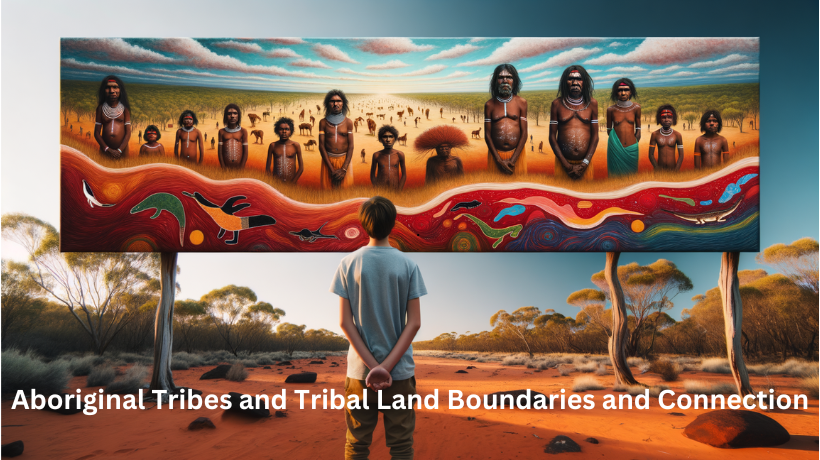
Aboriginal Borders and Tribes (Years 1–3)
Students explore how natural landmarks, language and cultural law defined traditional boundaries and guided relationships between neighbouring nations. The program helps young learners understand the importance of Traditional Custodians and respect for Country.