• Skip to main content
  • Skip to primary sidebar
theanswerisyes-logo

Call Us Now On

07 3180 4422

  • Home
  • Contact Us
  • Thinking
  • The Capability Pathways
    • Workforce Gateway
      • Leadership Capability
        • Emerging and Frontline Leaders
        • Communication and Influence
        • Team Leadership and Engagement Programs
        • Conflict and Difficult Conversations
        • Performance Conversations
      • People and Culture Capability
        • Workforce Foundations and HR Systems
        • Recruitment and Talent Management
        • Workplace Culture and Ethics
        • Performance and Reward Systems
      • Safety and Wellbeing Capability
        • WHS Foundations and Legal Duties
        • Psychosocial Risk and Mental Health
        • Emergency Preparedness and Response
        • Physical Risk, Chemicals and Manual Handling
        • Menopause and Life Stage Support
      • Organisational Capability
        • Governance and Structural Foundations
        • Project and Change Capability
        • Operational Systems and Process Excellence
      • Digital and Cyber Capability
        • Cyber Awareness and Human Firewall
        • Cyber Governance and Risk
        • Incident Response and Organisational Readiness
        • Secure Infrastructure and Environments
      • Career and Employability Capability
        • Career Foundations and Direction Capability
        • Job Readiness and Employability Skills Capability
        • Career Growth and Advancement
        • Career Transition and Reinvention
        • Coaching and Career Practice Capability
      • Business and Commercial Capability
        • Business Foundations and Entrepreneurship
        • Marketing, Branding and Visibility
        • Sales, Marketing and Visibility
        • Financial Intelligence and Commercial Performance
        • Strategy, Growth and Scale
      • Government Workforce Capability
    • Human Development Gateway
      • Inner Development Capability
        • Self-Leadership and Personal Mastery
        • Emotional Intelligence and Inner Resilience
        • Purpose, Meaning and Life Direction
        • Reflective Practice and Conscious Decision-Making
      • Educator Development Capability
        • Instructional Design and Digital Delivery
        • Facilitation and Professional Practice
        • Professional Communication and Relational Leadership
      • Student Development Capability
        • Learning Skills and Academic Capability
        • Student Emotional Intelligence and Self-Regulation
      • Family Development Capability
        • Parenting for Learning and Development
        • Family Safety and Digital Protection
        • Healthy Family and Personal Relationships
    • First Nations Capability Gateway
      • Cultural Authority and Governance
      • Learning Through Country
      • Indigenous Ways of Teaching and Learning
      • Identity, Connection and Community
      • First Nations Leadership and Economic Participation
  • Partner With Us
  • Insights
    • The Capability Journal
    • The Answer is Yes Magazine (coming soon)
  • Social Impact
  • About
    • Our Capability Experts
    • Testimonials

Business and Commercial Capability

The Hidden Cost of Owner Dependency

Owner dependency creates hidden risk, limits growth, and weakens stability. Learn why businesses must build structure beyond the owner.

The Pattern That Looks Like Leadership

Owner dependency often disguises itself as commitment.

The owner:

— Makes most key decisions
— Solves operational problems
— Maintains client relationships
— Oversees quality
— Steps in wherever pressure appears

From the outside, this looks like strong leadership. In reality, it is a structural vulnerability.

👉 Explore the Workforce Capability Pathway

Growth Exposes the Limitation

As the business grows, the cracks begin to show.

— Decision-making slows because everything requires approval
— Teams hesitate without direction
— Bottlenecks form around the owner
— Opportunities are delayed or missed

The owner becomes the constraint. Not because of capability. Because of structure.

The Risk Most Businesses Do Not Plan For

The greatest risk of owner dependency is rarely operational. It is continuity. If the owner steps away:

— Decision-making stalls
— Client relationships weaken
— Knowledge gaps appear
— Performance becomes inconsistent

This risk often remains invisible until it is tested. By then, it is already critical.

What Structural Independence Looks Like

Businesses that move beyond owner dependency share clear characteristics:

— Roles are defined and understood
— Decisions are made at the appropriate level
— Processes are documented and repeatable
— Knowledge is embedded within the organisation
— Performance is consistent without constant intervention

The owner still leads. However, the business no longer depends on their presence to function.

Owner dependency is not a sign of dedication.
It is a sign that the business has not yet been designed to operate independently. Organisations that address this early create more than efficiency. They build scalability, reduce risk, and strengthen leadership impact. Those that ignore it remain constrained by the very person trying to grow it.

The Hidden Cost of Owner Dependency

Many businesses appear successful on the surface.
Revenue is steady.
Clients are satisfied.
The team is active.

Yet beneath that activity sits a structural risk that rarely gets addressed.

The business depends on the owner.

👉 Explore the Workforce Capability Pathway

When the Owner Becomes the System

In owner-dependent businesses, the owner is not just leading the organisation. They are holding it together.

Critical knowledge sits with them. Decisions flow through them. Standards are enforced by them. This creates a central point of control. It also creates a central point of failure.

Why This Model Feels Safe — But Is Not

Owner dependency creates a false sense of control. Because the owner is involved:

— Problems are caught early
— Decisions are made quickly
— Quality appears consistent

This feels efficient. However, it comes at a cost. The business is only stable while the owner is present, available, and operating at capacity. That is not stability. That is dependency.

The Hidden Impact on the Team

Owner dependency does not only affect operations.
It shapes behaviour. Teams in owner-dependent environments often:

— Wait for direction instead of acting
— Avoid decision-making
— Escalate issues unnecessarily
— Lack clarity around responsibility

Over time, capability declines. Not because the team lacks skill. Because the structure does not require it.

Why Adding People Does Not Solve It

A common response to growth pressure is hiring. More staff, managers, and support. However, without structural clarity:

— New hires increase dependency on the owner
— Communication becomes more complex
— Accountability becomes less clear
— Coordination becomes harder

The business becomes larger. It does not become stronger.

The Strategic Question Leaders Must Ask

The most important question is not:

How do I stay in control?

It is: What happens if I am not here?

This question reveals the true state of the business.

It shifts focus from activity to structure. From involvement to capability. From control to resilience.

👉 Explore the Workforce Capability Pathway

Category: Business and Commercial Capability

Why Staff Problems Are Usually a System Problem

Why Staff Problems Are Usually a System Problem (Not a People Problem)

Why “they should just know” is a trap

What feels obvious to you is built on years of context. Your team doesn’t have that context. Without structure, they’re forced to guess — and guessing leads to:

  • —inconsistency
  • —mistakes
  • —tension
  • —disengagement

That’s not laziness. That is uncertainty.

What actually fixes staff issues

Organisations with fewer people problems don’t rely on goodwill.

They:

  • —define roles clearly
  • —document expectations
  • —manage performance through structure

This doesn’t make a business rigid. It makes it fair. And fairness builds trust.

Why this matters for your business

When expectations are clear and roles are intentionally designed, performance improves naturally. Workforce capability is built through structure, not assumption..


Why Staff Problems Are Usually a System Problem (Not a People Problem)

When staff issues show up, most owners jump to the same conclusion:  “They just don’t care enough.” In most small businesses, that’s not true. What looks like a people problem is almost always a structure problem. The pattern owners don’t see.

In many SMEs:

  • —roles are loosely defined
  • —expectations live in the owner’s head
  • —training is informal or rushed
  • —feedback only appears when something goes wrong

Then performance drops, frustration builds, and blame lands on the individual. But people can’t meet expectations that were never made clear.

Why good employees leave small organisations

High performers don’t usually leave because of pay. They leave because:

  • —priorities shift without warning
  • —boundaries are unclear
  • —feedback feels reactive
  • —everything feels chaotic

Good people want clarity. Chaos is exhausting.

👉 Explore the Workforce Capability Pathway

Category: Business and Commercial Capability

Revenue Growth Doesn’t Fix Profit Problems

Revenue Growth Doesn’t Fix Profit Problems

Why more money doesn’t create calm

Without structure, revenue magnifies existing problems. More sales don’t fix inefficiency. They hide it. More clients don’t create clarity. They add noise. More income doesn’t guarantee stability. It increases the margin for error. When systems aren’t in place, revenue growth simply gives chaos more room to move.

The real issue most owners avoid

Most owners don’t lack intelligence, experience, or commitment. They lack visibility. When you can’t clearly see where money leaks, what work actually costs, or which activities generate real margin, decisions become reactive. Pricing feels uncomfortable. Discounts creep in. Cashflow surprises appear at the worst time. Revenue alone cannot fix that.

👉 Explore the Business and Commercial Capability Pathway

Revenue Growth Doesn’t Fix Profit Problems

Most business owners believe the same thing: once revenue increases, everything else will settle down. The pressure will ease. Cashflow will stabilise. Decisions will feel clearer. But for many SMEs, revenue grows and stress grows with it. More customers. More complexity. More decisions. More pressure. The business doesn’t feel stronger. It feels louder.

This is why owners can be earning more than ever and still feel out of control.

Profit is not a motivation problem

Profit doesn’t improve because an owner works harder or pushes more sales. Profit improves when the business has predictable workflows, controlled costs, clear pricing logic, and visibility over numbers. These are structural elements, not effort-based ones.  Without them, revenue becomes misleading. It creates the illusion of success while quietly eroding control.

What financially calm organisations do differently

Organisations with financial control don’t obsess over sales volume. They understand how money moves through the business. They know where profit is created, where it’s lost, and why. Their decisions feel calm because they’re based on clarity rather than pressure. This is what separates organisations that grow sustainably from those that grow noisily. Financial clarity does not happen by chance. It is the result of deliberate systems, visibility, and informed decision-making.

Category: Business and Commercial Capability

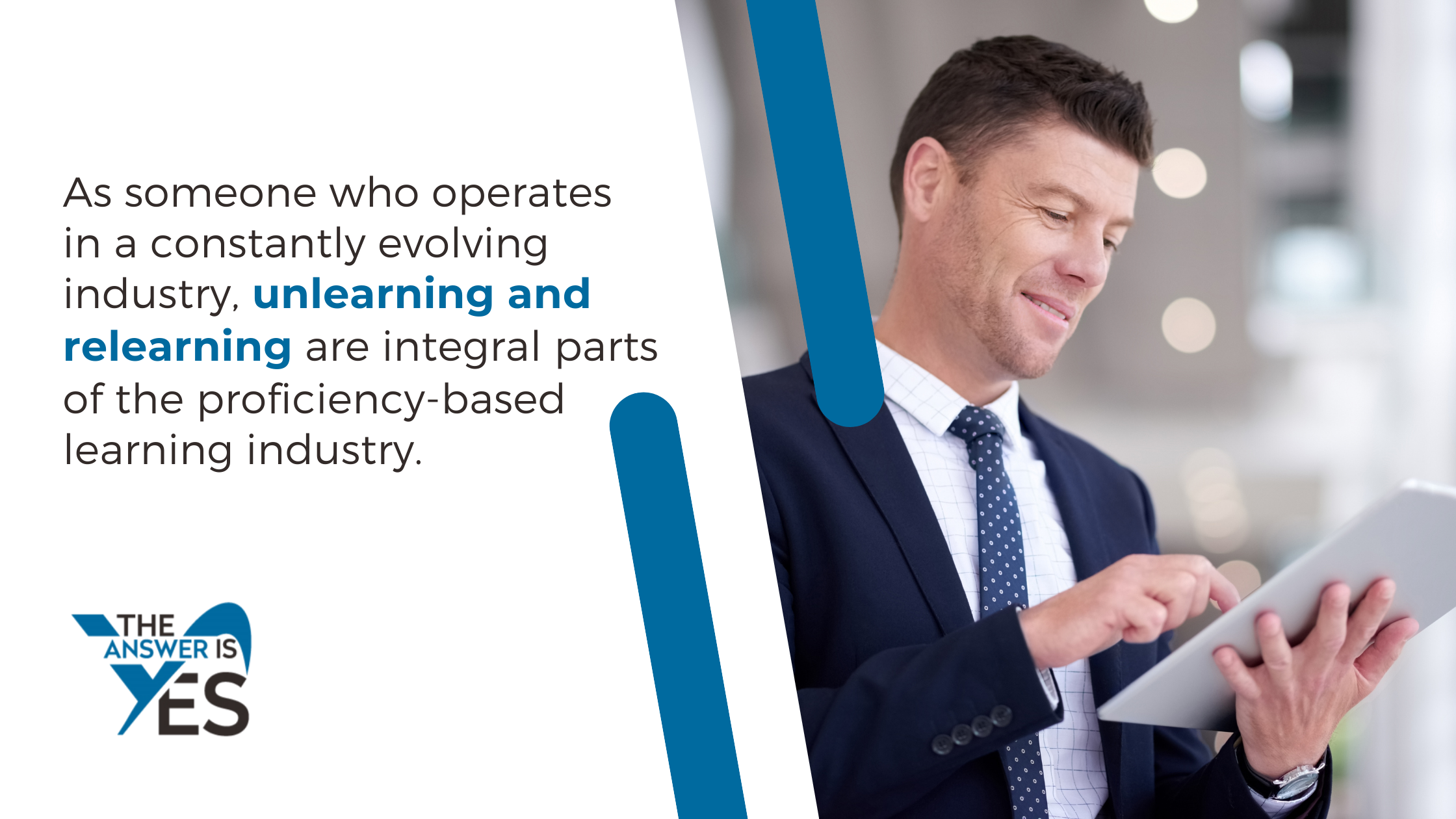
𝐓𝐡𝐞 𝐒𝐤𝐢𝐥𝐥 𝐌𝐨𝐬𝐭 𝐏𝐫𝐨𝐟𝐞𝐬𝐬𝐢𝐨𝐧𝐚𝐥𝐬 𝐑𝐞𝐬𝐢𝐬𝐭: 𝐔𝐧𝐥𝐞𝐚𝐫𝐧𝐢𝐧𝐠

Why professionals must sometimes unlearn old habits before developing the capabilities needed to stay relevant in modern business.

The Skill Most Professionals Resist: Unlearning

Most professionals spend years building knowledge, methods, and systems that once delivered excellent results. Over time, however, those same approaches can quietly lose their effectiveness. Markets evolve, customer expectations shift, and practices that once worked well begin producing weaker outcomes.

The difficulty is that people rarely notice the moment when a successful approach becomes outdated. Instead, they continue applying the same strategies because those methods feel familiar and safe. Yet familiarity is not always the same as effectiveness.

Sales provides a clear example. Traditional sales methods often relied on persuasion, scripts, and pressure-based conversations designed to move customers quickly toward a decision. While those approaches were once common, modern buyers respond very differently. Customers now recognise scripted conversations immediately, and when that happens, trust declines and engagement disappears.

As a result, organisations that continue relying on outdated techniques gradually lose their competitive advantage. By contrast, businesses that question their assumptions begin strengthening their capability. They rethink how conversations happen, they develop stronger listening skills, and they focus on building trust rather than pushing transactions.

This is where the concept of unlearning becomes important. Professional growth is not only about gaining new knowledge. In many cases, it also requires recognising when existing habits, beliefs, or strategies no longer serve the organisation or the customer.

When individuals develop the ability to question their own methods, they create space for better thinking and more effective practice. That mindset keeps professionals adaptable and ensures their skills remain relevant as industries evolve.

Across The Answer Is Yes capability platform, many expert-led courses focus on helping professionals rethink how they communicate, lead, sell, and collaborate. Rather than simply adding more information, capability development encourages people to examine how their existing practices influence results.

Progress sometimes begins with learning something new. Just as often, however, it begins by recognising what needs to be left behind.

👉 Explore Business and Commercial Capability

Category: Business and Commercial Capability

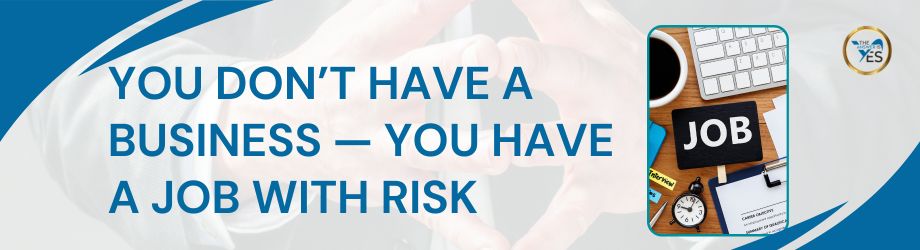
You Don’t Have a Business — You Have a Job With Risk

You Don’t Have a Business — You Have a Job With Risk

Most business owners think they own a business because money comes in, customers exist, and work gets done.

But here’s the uncomfortable truth most don’t want to face:

If everything slows down or falls apart the moment you step away, you don’t own a business.
You own a job with risk.

No sick leave.
No redundancy.
No real exit.

That’s not a personal failure.
It’s a design problem.

The difference between a job and a business

A job depends on the person doing it.

A business depends on systems.

If decisions, approvals, problem-solving, quality control, and direction all run through you, the business is dependent — not independent.

And dependency is fragile.

Why hard work is hiding the real issue

When pressure builds, owners respond the only way they know how:

  • working longer hours
  • staying closer to everything
  • making faster decisions
  • carrying more mental load

That effort keeps the wheels turning — but it also masks the real problem.

The problem isn’t that you’re not trying hard enough.
The problem is that the business can’t function without you trying hard.

Hard work delays collapse.
Structure prevents it.

The risk most owners don’t calculate

Owner-dependent businesses carry hidden costs:

  • You can’t step away without anxiety
  • Staff wait instead of acting
  • Growth increases stress instead of opportunity
  • Every issue eventually lands on you

Over time, the business becomes heavier, not stronger.

This is why so many owners feel trapped by the very thing they built to create freedom.

What real businesses do differently

Businesses that last don’t rely on heroics.

They rely on:

  • documented processes
  • clear decision frameworks
  • defined roles
  • predictable workflows

This isn’t bureaucracy.
It’s clarity.

And clarity removes friction.

Why this matters for your business

If your business relies on you to hold everything together, the risk isn’t your workload — it’s the absence of structure underneath it.

This is exactly what our Business Systems courses are designed to address: helping SME owners build businesses that work because they’re designed to — not because the owner is constantly holding them together.

👉 https://answeryes.com.au/training-services/business-systems/

Category: Business and Commercial Capability

Saying Yes to Opportunity: The Power of an Open Mindset for Business and Life

Opportunities are everywhere. They knock on doors, open windows, and sometimes arrive unannounced. Yet, as business owners and individuals, we often hesitate, wondering if we’re ready or if the timing is right. Our recent song, “Say Yes to Opportunity” Listen Here, was inspired by the belief that saying “yes” is more than a decision—it’s a mindset that can redefine success, growth, and purpose. Let’s delve into the value of saying “yes” to opportunities in both our professional and personal lives.

Why Saying “Yes” Matters for Growth

Saying “yes” does more than just open a door; it sets you on a path of growth, development, and unexpected success. This mindset is vital, especially in a world that’s always changing. Business leaders know that today’s markets are competitive and ever-evolving, which means that agility and openness to new ideas aren’t just nice-to-haves; they’re essential for survival. Embracing opportunities, even those that seem outside our comfort zones, can lead to:

  1. Skill Development and Learning
    Each opportunity, big or small, is a chance to expand your skill set and knowledge base. Our song’s verse, “Online courses pave the way for brighter minds,” echoes this concept. Learning keeps you adaptable, relevant, and equipped to handle challenges. Whether it’s taking a course, learning new technology, or collaborating on an unexpected project, saying “yes” keeps your skills sharp and your mind open.
  2. Overcoming Fear and Building Confidence
    Often, the greatest barrier to saying “yes” is fear—fear of failure, rejection, or change. Yet, every successful leader knows that overcoming fear is where real growth begins. As highlighted in our song lyrics, “With every yes, a new path starts,” taking that first step builds confidence, helping us see obstacles as manageable challenges rather than insurmountable barriers.
  3. Innovation and Creativity
    Saying “yes” nurtures innovation. Every new opportunity offers a fresh perspective, helping us see problems in new ways and enabling innovative solutions. When you’re open to exploring the unknown, you’ll find that the ideas, strategies, and solutions you need often come from the least expected places. This openness is especially crucial for business owners who want to lead with vision and adapt to market changes.
  4. Building Resilience and Adaptability
    Opportunities often arrive when least expected, sometimes during periods of difficulty. Embracing them builds resilience, allowing you to adapt even when the going gets tough. The lyrics, “In this journey, feel the flow,” reflect the power of staying adaptable. In business and in life, resilience is the ability to weather storms and still remain focused on growth and success.

Strategies to Cultivate a “Yes” Mindset

Building a “yes” mindset doesn’t mean accepting every opportunity; it’s about strategically choosing paths that align with your goals. Here are some actionable ways to build this mindset:

  1. Assess Opportunities Through Your Values
    Not every opportunity is the right one. Evaluate new chances by asking whether they align with your core values and business mission. Saying yes to the opportunities that resonate with your goals leads to more meaningful growth.
  2. Embrace Continuous Learning
    Learning is a foundation for saying yes with confidence. When you regularly build your knowledge, you’re more prepared to seize new opportunities. Consider our courses on Brand and Marketing Fundamentals or [Developing a Growth Mindset], designed to help you gain the skills to take on new challenges effectively.
  3. Practice Small “Yeses” Daily
    Start with small opportunities. Whether it’s a networking event, collaboration, or learning something outside your expertise, taking small “yes” steps builds the habit. These micro-decisions strengthen your confidence and prepare you for larger, potentially transformative opportunities.
  4. Set “Opportunity” Goals
    For business owners, planning for growth includes setting “opportunity goals.” These are intentional goals focused on exploring new paths for innovation, expansion, or skill-building. Goals might include taking a course, expanding into a new market, or testing a novel product concept.

Real Stories of Growth from Saying “Yes”

Many influential figures have seen their success take root in a simple decision to say yes. Take Howard Schultz of Starbucks, who embraced the opportunity to transform Starbucks from a coffee bean company into a renowned global brand after visiting Italian espresso bars.

Or Sara Blakely, founder of Spanx, who started her journey by saying yes to her own unique idea for shapewear—an opportunity that would lead to a billion-dollar business.

For those wondering if saying yes can truly make a difference, our song lyrics remind us, “With every step, a chance to grow.” Each yes offers the chance to expand, to discover, and to build a path forward.

Businesswoman dreaming about future career opportunities, colour
View more by ismagilov from Getty Images

Embracing Your Journey with Confidence

In today’s fast-paced world, business owners and individuals alike are constantly faced with new opportunities and choices. Building a “yes” mindset is about more than just being open—it’s about being ready, informed, and confident. So next time opportunity knocks, think about where a simple “yes” could take you.

Let “Say Yes to Opportunity” inspire you to take that step. Watch it here on YouTube and see where the journey takes you.

Category: Business and Commercial Capability Tags: mindset, opportunity

  • Page 1
  • Page 2
  • Go to Next Page »

Primary Sidebar

Book With Us

Book a Strategy Session Today to discuss your Training Needs

  • This field is for validation purposes and should be left unchanged.

Call Us Now On+61 423 596 393

Training Services

  • Home
  • Contact Us
  • Thinking
  • The Capability Pathways
    • Workforce Gateway
      • Leadership Capability
        • Emerging and Frontline Leaders
        • Communication and Influence
        • Team Leadership and Engagement Programs
        • Conflict and Difficult Conversations
        • Performance Conversations
      • People and Culture Capability
        • Workforce Foundations and HR Systems
        • Recruitment and Talent Management
        • Workplace Culture and Ethics
        • Performance and Reward Systems
      • Safety and Wellbeing Capability
        • WHS Foundations and Legal Duties
        • Psychosocial Risk and Mental Health
        • Emergency Preparedness and Response
        • Physical Risk, Chemicals and Manual Handling
        • Menopause and Life Stage Support
      • Organisational Capability
        • Governance and Structural Foundations
        • Project and Change Capability
        • Operational Systems and Process Excellence
      • Digital and Cyber Capability
        • Cyber Awareness and Human Firewall
        • Cyber Governance and Risk
        • Incident Response and Organisational Readiness
        • Secure Infrastructure and Environments
      • Career and Employability Capability
        • Career Foundations and Direction Capability
        • Job Readiness and Employability Skills Capability
        • Career Growth and Advancement
        • Career Transition and Reinvention
        • Coaching and Career Practice Capability
      • Business and Commercial Capability
        • Business Foundations and Entrepreneurship
        • Marketing, Branding and Visibility
        • Sales, Marketing and Visibility
        • Financial Intelligence and Commercial Performance
        • Strategy, Growth and Scale
      • Government Workforce Capability
    • Human Development Gateway
      • Inner Development Capability
        • Self-Leadership and Personal Mastery
        • Emotional Intelligence and Inner Resilience
        • Purpose, Meaning and Life Direction
        • Reflective Practice and Conscious Decision-Making
      • Educator Development Capability
        • Instructional Design and Digital Delivery
        • Facilitation and Professional Practice
        • Professional Communication and Relational Leadership
      • Student Development Capability
        • Learning Skills and Academic Capability
        • Student Emotional Intelligence and Self-Regulation
      • Family Development Capability
        • Parenting for Learning and Development
        • Family Safety and Digital Protection
        • Healthy Family and Personal Relationships
    • First Nations Capability Gateway
      • Cultural Authority and Governance
      • Learning Through Country
      • Indigenous Ways of Teaching and Learning
      • Identity, Connection and Community
      • First Nations Leadership and Economic Participation
  • Partner With Us
  • Insights
    • The Capability Journal
    • The Answer is Yes Magazine (coming soon)
  • Social Impact
  • About
    • Our Capability Experts
    • Testimonials

What Our Client Says

Corrina was able to handle anything I threw at her

When I was opening my company I was a little lost in what I needed for compliancy and support. Corrina was able to handle anything I threw at her, from Health and Safety requirements, through to Fire training, and staffing issues. What Corrina brings to the table is a wealth of knowledge and access to… Read more “Corrina was able to handle anything I threw at her”

Von Barnes
Principal of Pinnacle Properties

Corrina made it very clear and easy to understand

I work at a desk all day and I didn’t fully understand or realise the multitude of risks/hazards not only in my workplace but in other industries and sites. Corrina made it very clear and easy to understand

Telia Dwyer,
Design Governess

A very good way to spend an afternoon

Doing Hazard & Risk Assessment Training was A very good way to spend an afternoon -it will start me on a journey I have been planing for a year but failed to start

Mark Bell
Desks Etc

Very well explained

The Hazard & Risk Assessment was very well explained, simple… so that every one understands

Maraia Cookson
In House Printing

Recent Posts

  • The Hidden Cost of Owner Dependency
  • Why Staff Problems Are Usually a System Problem
  • Revenue Growth Doesn’t Fix Profit Problems
  • Customer Service Problems Are Rarely About Attitude
  • Workplace Mental Health Is Shaped by How Work Is Designed

Book a Strategy Session Today to discuss your Training Needs

Book now

menu

  • Home
  • Contact Us
  • Thinking
  • The Capability Pathways
    • Workforce Gateway
      • Leadership Capability
        • Emerging and Frontline Leaders
        • Communication and Influence
        • Team Leadership and Engagement Programs
        • Conflict and Difficult Conversations
        • Performance Conversations
      • People and Culture Capability
        • Workforce Foundations and HR Systems
        • Recruitment and Talent Management
        • Workplace Culture and Ethics
        • Performance and Reward Systems
      • Safety and Wellbeing Capability
        • WHS Foundations and Legal Duties
        • Psychosocial Risk and Mental Health
        • Emergency Preparedness and Response
        • Physical Risk, Chemicals and Manual Handling
        • Menopause and Life Stage Support
      • Organisational Capability
        • Governance and Structural Foundations
        • Project and Change Capability
        • Operational Systems and Process Excellence
      • Digital and Cyber Capability
        • Cyber Awareness and Human Firewall
        • Cyber Governance and Risk
        • Incident Response and Organisational Readiness
        • Secure Infrastructure and Environments
      • Career and Employability Capability
        • Career Foundations and Direction Capability
        • Job Readiness and Employability Skills Capability
        • Career Growth and Advancement
        • Career Transition and Reinvention
        • Coaching and Career Practice Capability
      • Business and Commercial Capability
        • Business Foundations and Entrepreneurship
        • Marketing, Branding and Visibility
        • Sales, Marketing and Visibility
        • Financial Intelligence and Commercial Performance
        • Strategy, Growth and Scale
      • Government Workforce Capability
    • Human Development Gateway
      • Inner Development Capability
        • Self-Leadership and Personal Mastery
        • Emotional Intelligence and Inner Resilience
        • Purpose, Meaning and Life Direction
        • Reflective Practice and Conscious Decision-Making
      • Educator Development Capability
        • Instructional Design and Digital Delivery
        • Facilitation and Professional Practice
        • Professional Communication and Relational Leadership
      • Student Development Capability
        • Learning Skills and Academic Capability
        • Student Emotional Intelligence and Self-Regulation
      • Family Development Capability
        • Parenting for Learning and Development
        • Family Safety and Digital Protection
        • Healthy Family and Personal Relationships
    • First Nations Capability Gateway
      • Cultural Authority and Governance
      • Learning Through Country
      • Indigenous Ways of Teaching and Learning
      • Identity, Connection and Community
      • First Nations Leadership and Economic Participation
  • Partner With Us
  • Insights
    • The Capability Journal
    • The Answer is Yes Magazine (coming soon)
  • Social Impact
  • About
    • Our Capability Experts
    • Testimonials

Contact Information

Queensland, Australia

info@answeryes.com.au

07 3180 4422

Policies

  • Accessibility Statement

  • Australian Privacy Policy

  • Refund and Returns Policy

  • Website and Service Terms

Connect With us

facebook twitter instagram tiktok
  • Home
  • Contact Us
  • Thinking
  • The Capability Pathways
    • Workforce Gateway
      • Leadership Capability
        • Emerging and Frontline Leaders
        • Communication and Influence
        • Team Leadership and Engagement Programs
        • Conflict and Difficult Conversations
        • Performance Conversations
      • People and Culture Capability
        • Workforce Foundations and HR Systems
        • Recruitment and Talent Management
        • Workplace Culture and Ethics
        • Performance and Reward Systems
      • Safety and Wellbeing Capability
        • WHS Foundations and Legal Duties
        • Psychosocial Risk and Mental Health
        • Emergency Preparedness and Response
        • Physical Risk, Chemicals and Manual Handling
        • Menopause and Life Stage Support
      • Organisational Capability
        • Governance and Structural Foundations
        • Project and Change Capability
        • Operational Systems and Process Excellence
      • Digital and Cyber Capability
        • Cyber Awareness and Human Firewall
        • Cyber Governance and Risk
        • Incident Response and Organisational Readiness
        • Secure Infrastructure and Environments
      • Career and Employability Capability
        • Career Foundations and Direction Capability
        • Job Readiness and Employability Skills Capability
        • Career Growth and Advancement
        • Career Transition and Reinvention
        • Coaching and Career Practice Capability
      • Business and Commercial Capability
        • Business Foundations and Entrepreneurship
        • Marketing, Branding and Visibility
        • Sales, Marketing and Visibility
        • Financial Intelligence and Commercial Performance
        • Strategy, Growth and Scale
      • Government Workforce Capability
    • Human Development Gateway
      • Inner Development Capability
        • Self-Leadership and Personal Mastery
        • Emotional Intelligence and Inner Resilience
        • Purpose, Meaning and Life Direction
        • Reflective Practice and Conscious Decision-Making
      • Educator Development Capability
        • Instructional Design and Digital Delivery
        • Facilitation and Professional Practice
        • Professional Communication and Relational Leadership
      • Student Development Capability
        • Learning Skills and Academic Capability
        • Student Emotional Intelligence and Self-Regulation
      • Family Development Capability
        • Parenting for Learning and Development
        • Family Safety and Digital Protection
        • Healthy Family and Personal Relationships
    • First Nations Capability Gateway
      • Cultural Authority and Governance
      • Learning Through Country
      • Indigenous Ways of Teaching and Learning
      • Identity, Connection and Community
      • First Nations Leadership and Economic Participation
  • Partner With Us
  • Insights
    • The Capability Journal
    • The Answer is Yes Magazine (coming soon)
  • Social Impact
  • About
    • Our Capability Experts
    • Testimonials

© 2020 - 2026 The Answer Is Yes.

×

HAZARDOUS CHEMICALS
SELF-ASSESSMENT CHECKLIST

5_0_5_0_5_0_5_0_5_0_5_0_5_0_5_0_5_0_5_0_5_0_5_0_5_0_5_0_5_0_5_0_5_0_5_0_5_0_5_0_5_0

Total

0/100

0 - 25 - You have serious problem on your site and need to act immediately to rectify the situation or you could find your business heavily fined.

30 - 50 - You need to actively implement your WHS system.

55 - 75 - Something in place but there are areas that need to be addressed.

75 - 95 - Your chemical health and safety system in place.

100 - Well Done!

Book a Meeting with one of our WHS Consultant to discuss how we can help you achieve 100% compliance. 
Book a Virtual Meeting