
• Skip to main content
  • Skip to primary sidebar
theanswerisyes-logo

Call Us Now On

07 3180 4422

  • Home
  • Contact Us
  • Thinking
  • The Capability Pathways
    • Workforce Gateway
      • Leadership Capability
        • Emerging and Frontline Leaders
        • Communication and Influence
        • Team Leadership and Engagement Programs
        • Conflict and Difficult Conversations
        • Performance Conversations
      • People and Culture Capability
        • Workforce Foundations and HR Systems
        • Recruitment and Talent Management
        • Workplace Culture and Ethics
        • Performance and Reward Systems
      • Safety and Wellbeing Capability
        • WHS Foundations and Legal Duties
        • Psychosocial Risk and Mental Health
        • Emergency Preparedness and Response
        • Physical Risk, Chemicals and Manual Handling
        • Menopause and Life Stage Support
      • Organisational Capability
        • Governance and Structural Foundations
        • Project and Change Capability
        • Operational Systems and Process Excellence
      • Digital and Cyber Capability
        • Cyber Awareness and Human Firewall
        • Cyber Governance and Risk
        • Incident Response and Organisational Readiness
        • Secure Infrastructure and Environments
      • Career and Employability Capability
        • Career Foundations and Direction Capability
        • Job Readiness and Employability Skills Capability
        • Career Growth and Advancement
        • Career Transition and Reinvention
        • Coaching and Career Practice Capability
      • Business and Commercial Capability
        • Business Foundations and Entrepreneurship
        • Marketing, Branding and Visibility
        • Sales, Marketing and Visibility
        • Financial Intelligence and Commercial Performance
        • Strategy, Growth and Scale
      • Government Workforce Capability
    • Human Development Gateway
      • Inner Development Capability
        • Self-Leadership and Personal Mastery
        • Emotional Intelligence and Inner Resilience
        • Purpose, Meaning and Life Direction
        • Reflective Practice and Conscious Decision-Making
      • Educator Development Capability
        • Instructional Design and Digital Delivery
        • Facilitation and Professional Practice
        • Professional Communication and Relational Leadership
      • Student Development Capability
        • Learning Skills and Academic Capability
        • Student Emotional Intelligence and Self-Regulation
      • Family Development Capability
        • Parenting for Learning and Development
        • Family Safety and Digital Protection
        • Healthy Family and Personal Relationships
    • First Nations Capability Gateway
      • Cultural Authority and Governance
      • Learning Through Country
      • Indigenous Ways of Teaching and Learning
      • Identity, Connection and Community
      • First Nations Leadership and Economic Participation
  • Partner With Us
  • Insights
    • The Capability Journal
    • The Answer is Yes Magazine (coming soon)
  • Social Impact
  • About
    • Our Capability Experts
    • Testimonials

Human Development

The Moment Mentors Are Tested Most

Patience and empathy from mentors create learning environments where people feel safe to develop new skills.
👉 Explore Human Development Capability

The Moment Mentors Are Tested Most

As a mentor or teacher, it can be frustrating to watch someone struggle to understand a new concept or skill.

Learning rarely happens at the same pace for everyone. Some people grasp ideas quickly, while others need time to process information, experiment, and make sense of unfamiliar material. When someone is learning something new, confusion and hesitation are often part of the process rather than signs of failure.

The way a mentor responds during those moments matters more than many people realise. Impatience, sarcasm, or criticism can quickly damage confidence. Once confidence drops, motivation often follows, and the learner may become reluctant to ask questions or attempt the task again.

A different response creates a very different outcome. When mentors demonstrate patience and empathy, learners feel supported rather than judged. They become more willing to try again, ask questions, and accept guidance. That sense of psychological safety is often what allows learning to progress.

Effective mentors understand that teaching is not only about transferring knowledge. It is also about creating an environment where people feel comfortable developing capability. Encouragement, constructive feedback, and respectful communication all contribute to that environment.

Across The Answer Is Yes platform, many programs explore the capabilities required for effective mentoring, facilitation, and professional teaching practice. When educators and mentors strengthen these skills, they help learners move beyond frustration and begin building confidence in their own ability to grow.

Learning is rarely a straight path. However, with patience and thoughtful guidance, mentors can turn moments of struggle into moments of progress.
👉 Explore Human Development Capability

Category: Educator Development, Human Development

The Potential People Often Cannot See in Themselves

Many people underestimate their potential until someone challenges the way they see themselves and what they believe is possible.
👉 Explore Human Development Capability

The Potential People Often Cannot See in Themselves

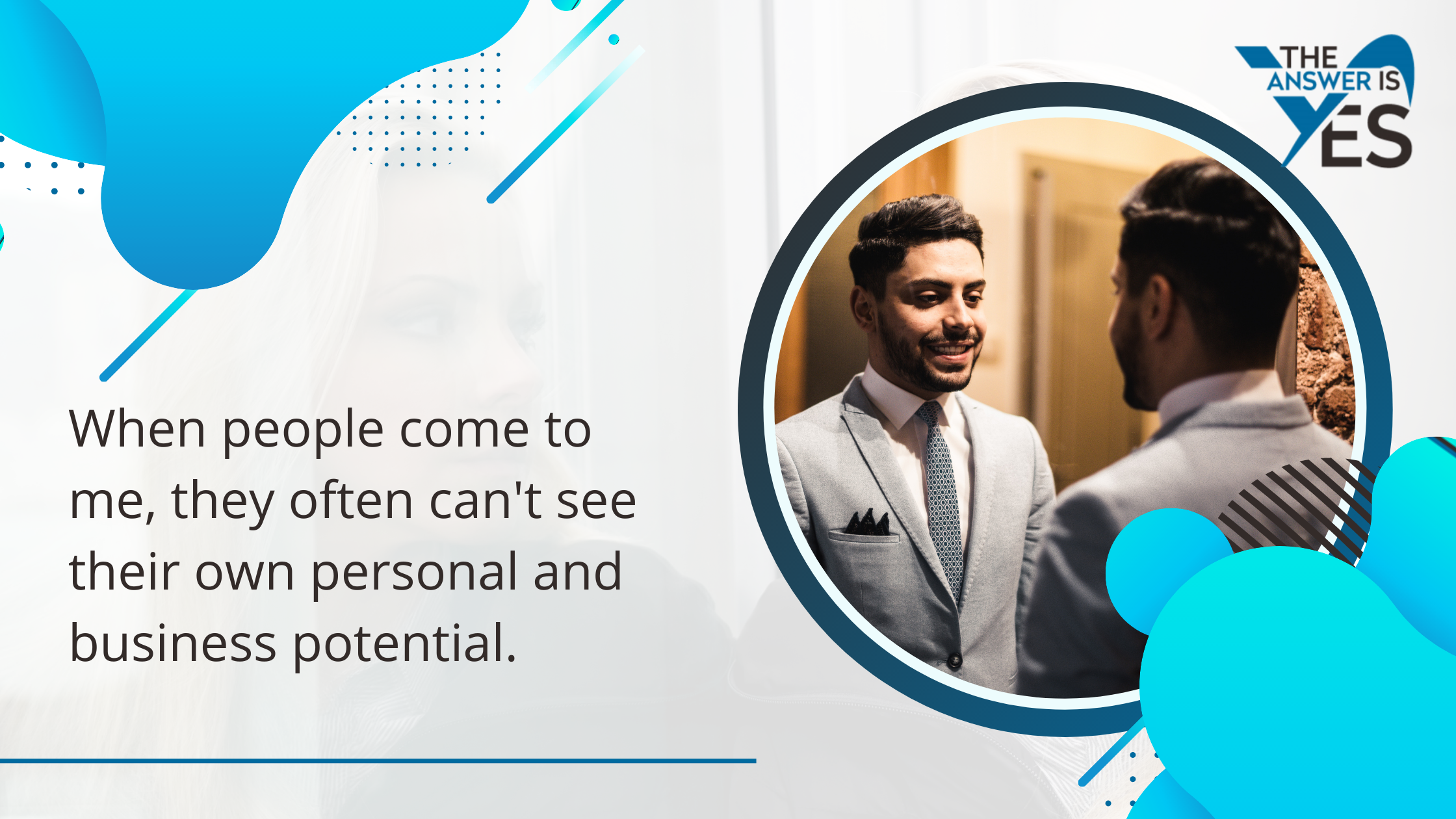
When people come to me, they often cannot see their own personal and business potential.

Many individuals arrive carrying a story about themselves that has been shaped by past experiences, disappointments, or circumstances that did not go the way they hoped. Over time that story becomes a quiet limitation. It influences how they see their abilities, the opportunities they pursue, and the goals they believe are realistic.

Coaching and mentoring often begin by challenging that internal narrative. When someone begins to question the limits they have placed on themselves, new possibilities start to appear. Growth rarely happens because someone suddenly becomes more talented. Instead, it happens when they adopt a learning mindset and begin to see capability as something that can be developed.

A learning disposition changes the way people approach challenges. Rather than interpreting setbacks as proof of failure, they start viewing them as signals for improvement. Skills can be strengthened, thinking can evolve, and confidence often grows through experience rather than through certainty.

Vision also plays an important role. People who grow professionally and personally tend to imagine what they could become, not simply what they are today. That vision creates direction. It encourages effort, persistence, and the willingness to develop new capabilities over time.

This is where mentoring and coaching become valuable. A good mentor does not simply give advice. Instead, they help individuals recognise strengths they may have overlooked, challenge assumptions that hold them back, and support the development of capabilities that allow people to move forward with greater confidence.

Across The Answer Is Yes platform, many of our courses focus on this idea of self-leadership. When individuals strengthen their awareness, mindset, and capability, they begin to realise that growth is not limited by their past. It is shaped by the choices they make about how they learn, develop, and lead themselves.

👉 Explore Human Development Capability

Category: Human Development

Beyond Traditional Coaching: Why Business Owners Need a Holistic Approach to Growth

In business, growth doesn’t happen in isolation. Every successful businessperson, from start-ups to seasoned CEOs, knows that at some point, you need coaching. And not just any guidance—a type that understands the unique challenges and depth of running a business in today’s dynamic environment.

Many of us start out with a clear vision and the energy to push through barriers. But as time goes on, roadblocks appear, and the path to success becomes more complex. It’s easy to feel like you’re hitting wall after wall without making real progress. You may even find yourself missing the mentorship and support structure that’s often available in traditional work environments.

Why Traditional Coaching Alone Isn’t Enough

The term “coach” has become broad and sometimes watered down. Coaching is valuable, but when you’re running a business, your needs often go beyond motivational advice or general guidance. Business isn’t just about feeling motivated—it’s about having actionable strategies, reliable insights, and access to a wealth of expertise across many facets, from finance to marketing to operations.

And let’s be honest—finding a coach who genuinely “gets it” can be a challenge. The market is flooded with individuals offering coaching services. But how do you separate those who truly understand your journey from those with only a surface-level view? Many coaches are talented, but if they lack direct business experience or haven’t weathered the complexities of scaling a company, their guidance can feel limited.

A New Approach: The Answer Is Yes

At The Answer Is Yes, we believe in a comprehensive, dynamic approach to business growth. Instead of offering a one-size-fits-all coaching solution, we provide a project-based framework that pulls in the right expertise, tailored to the specific challenges you’re facing.

Our model functions much like a project manager for your growth. Think of it this way: at each stage of your journey, you may need different types of support—sometimes, a consultant to give you direct action steps; other times, a coach to help you reflect and recalibrate; and, frequently, a mentor who has walked the path before and can provide personal insights.

When you work with The Answer Is Yes, you’re not limited to one coach. You gain access to a team of seasoned professionals with a minimum of 10 years of real-world experience, ready to provide practical, relevant guidance. Our experts understand what it takes to build resilience, adapt to market changes, and push past growth plateaus.

Combining Education with Coaching

Another unique part of our approach is combining coaching with targeted training. We don’t just tell you what to do—we teach you why and how. For example, if you’re struggling with cash flow management, we can guide you to relevant courses, like “7 Top Strategies to Improve Your Cashflow in 7 Days” or “How to Increase Your Cashflow with Invoice Financing.”

This way, you’re not only solving immediate issues but also developing the knowledge and skills to handle similar challenges in the future. By integrating practical training with personalised guidance, you’re empowered to make more informed decisions and avoid costly mistakes.

Why This Approach Works?

  1. Tailored Expertise: You face unique challenges. By connecting with a network of experts, you receive insights tailored specifically to your needs—no one-size-fits-all advice.
  2. Skill Development: We believe in the power of knowledge. Our hybrid model lets you learn core business skills while receiving mentorship, helping you grow both as a leader and as a business professional.
  3. Long-Term Vision: Business is a marathon, not a sprint. Our approach focuses on building a strong foundation, ensuring you’re prepared for sustainable growth, even through challenging times.

Are You Ready to Say Yes to Transformation?

The answer is simple. At The Answer Is Yes, we don’t believe in just pushing you toward goals. We partner with you to equip you with the knowledge, guidance, and expertise you need to achieve them with confidence. Whether you’re navigating business hurdles or looking to bring more purpose and structure into your growth strategy, we’re here to help.

If you’re ready to go beyond traditional coaching and truly invest in a comprehensive approach to business growth, let’s connect. Together, we can create a tailored path forward that allows you to say “yes” to every opportunity for growth and success.

Start your journey with The Answer Is Yes today, and let’s build the future of your business, one strategic decision at a time. Visit The Answer is Yes to learn more.

Category: Educator Development Tags: coaching

Build Resilience in Business: Overcoming Challenges with a Growth Mindset

Why Resilience is a Key Business Skill

Resilience is more than a buzzword for business owners; it’s the engine that keeps businesses moving, even in the face of setbacks. Today’s business environment is unpredictable. From market changes to unforeseen operational challenges, entrepreneurs need resilience to navigate these waters successfully. This article explores how grounded in a growth mindset, can empower business owners to not just survive but thrive, regardless of the obstacles they face.


Understanding the Value of Resilience in Business

Resilience is often associated with “bouncing back,” but for business leaders, it’s about pushing forward—adjusting, learning, and evolving with every challenge. It’s the difference between a business that struggles through setbacks and one that grows stronger in the face of them.

Drives Long-Term Success—The most successful leaders know that it enables them to sustain momentum over time. Research suggests that resilient leaders make quicker, more effective decisions, experience lower stress, and adapt with agility. This adaptability is key when challenges like cash flow fluctuations, customer expectations, and operational demands hit.

Fostering a Positive Culture —When leaders model resilience, it resonates throughout the company culture. Employees take cues from their leaders, and it inspires a positive, can-do attitude that keeps teams engaged and motivated even when the going gets tough. By prioritising resilience, you’re building a workforce that mirrors this mindset.

How the Growth Mindset Fuels Resilience

At the core of resilience is a growth mindset. Business owners with a growth mindset see failure as a part of learning, not as a dead-end. Pioneered by psychologist Carol Dweck, the growth mindset focuses on improvement through effort, persistence, and flexibility.

Turning Failures into Learning Opportunities—A growth mindset encourages you to approach challenges as opportunities for growth. Instead of asking, “Why did I fail?” growth-minded leaders ask, “What can I learn?” This approach takes the fear out of failure, making it easier to tackle challenges and reframe setbacks as valuable experiences.

Reframing Setbacks and Staying Persistent—Many business goals, from increasing sales to expanding operations, aren’t achieved overnight. Embracing persistence through a growth mindset reminds you to stay focused, adapt where needed, and maintain optimism in the face of setbacks. It’s about showing up every day with a commitment to long-term progress.

Practical Exercises to Build Resilience as a Business Owner

Developing resilience isn’t a quick fix; it’s a habit built over time. The following exercises can help you strengthen resilience in your business life:

Daily Reflections and Journaling—Spending a few minutes each day reflecting on challenges and how you handled them fosters a mindset of growth. Write down what went well, what you learned, and how you plan to improve. Regular reflection is a powerful tool for self-awareness and resilience.

Breaking Down Big Goals into Manageable Tasks—Taking a major goal and breaking it into actionable steps helps avoid overwhelm and keeps you on track. Accomplishing smaller goals boosts confidence and builds momentum. This exercise also reinforces the idea that every step forward, no matter how small, is progress.

Practising Positive Self-Talk and Reframing Thoughts—Building resilience involves reshaping how you think about challenges. Instead of dwelling on what went wrong, practice reframing by asking yourself questions like, “How will this help me grow?” and “What did I learn?” Positive self-talk fuels resilience and ensures you maintain a constructive perspective.

Leveraging Training to Build a Resilient Mindset

Resilience training isn’t just about mental exercises; it is about accessing practical resources that provide the tools and knowledge needed to develop a strong growth mindset.

Training Programs that Support Resilience—Our “Develop a Growth Mindset That Drives Your Business” course is designed specifically to help business owners build resilience. It covers strategies for overcoming common challenges, rethinking setbacks, and implementing resilient thinking in daily operations. Access to such structured resources offers a clear pathway for building resilience.

How Online Training Supports Business Resilience—Online training offers flexibility, allowing business owners to engage in continuous learning without disrupting their schedules. Courses like this one allow you to learn, pause, reflect, and apply lessons directly to your business practices. The modular approach also aligns with micro-learning, enabling leaders to absorb insights in smaller, manageable segments.

Real-World Examples of Resilient Leaders

Case Study: The Resilient Path of Elon Musk

For instance, Elon Musk, CEO of Tesla and SpaceX, has faced numerous challenges on his entrepreneurial journey. In 2008, both Tesla and SpaceX were on the brink of bankruptcy.1 With limited funding and mounting skepticism from investors, Musk faced immense pressure. Instead of surrendering, he adopted a resilient approach, investing his own money and working tirelessly to turn things around. Musk’s resilience and growth mindset transformed these setbacks into learning experiences that ultimately saved both companies and set them on a trajectory of groundbreaking innovation. Today, Tesla leads the electric vehicle industry, and SpaceX has become a global leader in private space exploration.

How Resilience Led to Innovation at Netflix

Similarly, Netflix, co-founded by Reed Hastings, exemplifies how resilience can fuel unexpected innovation. In the early 2000s, when online streaming was emerging but hadn’t yet gained traction, Netflix faced a significant market shift. 2Rather than clinging to its DVD rental model, the company adapted by investing in streaming technology, despite the financial risks. This resilient pivot not only saved Netflix from becoming obsolete but also transformed the entertainment industry. Today, Netflix is a leader in global streaming, illustrating how resilience and adaptability can lead to industry-wide innovation.

Building a Resilient Business for a Brighter Future

Resilience is an invaluable asset in today’s business world. By embracing a growth mindset, practicing resilience-building exercises, and tapping into targeted training resources, business owners can prepare themselves for any challenge that comes their way.

At The Answer is Yes, we’re here to support your journey toward resilience with courses like “Develop a Growth Mindset That Drives Your Business” This course and others provide practical tools to help you turn setbacks into opportunities, navigate challenges confidently, and lead with resilience.

By investing in resilience, you’re building a stronger, more adaptable business prepared for sustainable growth, no matter what the future holds. Resilience isn’t just about surviving tough times—it’s about thriving because of them.


CITATIONS

  1. Elon Musk has worried about SpaceX bankruptcy before — early on he thought it would be ‘worth $0’ ↩︎
  2. How Netflix beat its rivals and survived the 2000s ↩︎

Category: Inner Development Tags: growth mindset, resilience

Are WHS and HR Managers the New Social Workers of the Workplace?

As the workplace continues to evolve, the roles of Work Health and Safety (WHS) Managers and Human Resource (HR) Managers have expanded significantly. Once defined by compliance and administrative responsibilities, these roles now require a balance of empathy, insight, and a commitment to supporting employees’ personal and emotional well-being. With employees facing higher stress levels, financial pressures, family obligations, and personal health concerns, these managers are increasingly acting as pseudo-social workers, helping individuals address issues beyond the workplace.

But is this shift effective? And what are the skills and resources needed to support employees fully without overwhelming WHS and HR teams? In this article, we’ll dive into the transformation of these roles, explore the challenges, and suggest solutions that can equip managers to excel in this expanded capacity.

The Evolution of WHS and HR Roles

For many years, WHS Managers focused solely on physical safety, accident prevention, and regulatory compliance, while HR Managers were responsible for hiring, benefits, and payroll. However, the scope of these positions has shifted. Today, WHS and HR Managers are being asked to address a host of personal and mental health issues that influence an employee’s ability to perform and stay safe at work. They are navigating concerns that include:

  • Mental health struggles such as anxiety and depression
  • Family dynamics and domestic issues, including violence
  • Financial stress and its impact on productivity
  • Age-specific health issues, such as those related to menopause
  • The impacts of remote work isolation and new hybrid challenges

The reality is that WHS and HR Managers are on the front lines of these complex issues, and this shift demands new skills, training, and resources.

Mental Health Support: A New Normal for Managers

In Australia, one in five people report mental health challenges, and these issues inevitably impact their work life. For employees, it is crucial to have someone to turn to within their workplace, especially as stigma around mental health declines and discussions become more open. WHS and HR Managers now play a crucial role in creating a supportive environment where mental health is prioritised.

Training in mental health first aid, emotional intelligence, and wellness coaching can help managers approach these issues without overstepping boundaries. However, many WHS and HR professionals have had little formal training in this area, meaning they must navigate these situations carefully. Online training programs, such as those offered by The Answer is Yes, provide tools and frameworks that managers can use to understand and respond to mental health challenges effectively.

Safety Risks Tied to Personal Struggles

Personal issues such as financial stress, domestic violence issues, or personal health concerns can lead to distraction, poor decision-making, and compromised safety. For WHS Managers, identifying these issues is crucial for workplace safety. For example, a worker who is distracted due to financial worries may be more likely to overlook safety procedures or make errors on the job.

By addressing these issues early, WHS Managers can work with HR to connect employees to necessary resources or adjust tasks temporarily to ensure safety. Comprehensive training in workplace wellness and mental health awareness is essential to help WHS Managers perform this role effectively. For instance, the courses on personal resilience and stress management available on The Answer is Yes offer specific strategies to support holistic safety.

Developing Skills Beyond Traditional Training

While many WHS and HR Managers are stepping up to this role admirably, there is a clear need for targeted training. For example, training programs on stress management, trauma-informed care, and wellness coaching can provide the tools needed to support employees through personal difficulties. Topics that WHS and HR Managers may benefit from include:

  1. Mental Health Awareness: Recognising signs of anxiety, depression, and other mental health challenges, knowing when to intervene, and connecting employees with appropriate support resources.
  2. Conflict Resolution and Mediation: De-escalating situations that stem from personal or workplace stress, helping to maintain a harmonious environment even during challenging times.
  3. Financial Wellness Education: Understanding when financial stress impacts performance and productivity, and providing employees with guidance or resources to support their financial health.
  4. Domestic Violence Awareness: Identifying potential signs of domestic abuse, responding with empathy, and directing employees to resources while respecting confidentiality.
  5. Suicide Prevention: Being aware of the warning signs, approaching difficult conversations with sensitivity, and guiding employees toward professional help, contributing to a supportive and safe workplace.
  6. Personal Relationship Support: Recognising how personal relationships can impact work performance and well-being, and providing resources or referrals that can help employees navigate challenges in their personal lives.
  7. Building Resilience in the Workplace: Fostering emotional resilience in employees through wellness practices, mental health resources, and stress management techniques to help staff better cope with pressures both inside and outside work.

Each of these areas can help WHS and HR Managers support employees holistically. Through online courses like those on The Answer is Yes, managers can develop these skills efficiently and in a way that fits around their work schedules.

Ethical Boundaries and Professional Limitations

One of the most significant challenges for WHS and HR Managers acting as pseudo-social workers is maintaining ethical boundaries. These managers are not trained psychologists or social workers, and while they can provide support and guidance, they must be careful not to cross professional lines.

The solution lies in developing clear protocols and boundaries. For instance, an HR Manager may listen and show empathy but should avoid offering psychological advice. Instead, the manager can guide the employee to an Employee Assistance Program (EAP) or external mental health resources.

Building a Supportive Workplace Culture

One of the key aspects of handling these expanded roles is cultivating a workplace culture where employees feel comfortable seeking help. WHS and HR Managers can lead by example, fostering open discussions on mental health, wellness, and personal well-being. A supportive culture not only helps reduce stigma but also creates an environment where employees are more likely to thrive.

Training sessions, workshops, and regular check-ins with staff on wellness topics can help build this culture. Managers can share resources, host mental health awareness events, and promote wellness activities. Companies that actively engage in these practices can expect improved morale, productivity, and retention rates.

The Role of Online Courses in Empowering WHS and HR Managers

To adapt to these new responsibilities, WHS and HR Managers need more than just on-the-job experience; they require structured learning paths that align with their evolving roles. Courses in areas such as emotional resilience, handling stress, and understanding mental health issues equip managers to respond effectively to the challenges their teams face. The Answer is Yes offers these resources, providing accessible, self-paced learning that managers can apply immediately in their day-to-day roles.

By investing in these resources, organisations can empower their WHS and HR teams to support employees without overstepping their bounds or compromising their core responsibilities.

Conclusion

Navigating the Expanded Role of WHS and HR Managers

The shift towards WHS and HR Managers as pseudo-social workers is a reflection of today’s workplace demands. While it is a challenging evolution, it also opens doors for a more compassionate and supportive work culture. By equipping these managers with the right tools, training, and resources, organisations can create a workplace where employees feel valued and supported in every aspect of their lives.

Managers who embrace this role with proper training and resources can become pivotal figures in building a resilient, safe, and productive workplace. By integrating comprehensive training in personal development, mental health awareness, and wellness, WHS and HR professionals can navigate their responsibilities with confidence, making a significant positive impact on both individual employees and the broader organisation.

For WHS and HR Managers seeking to expand their skills and support their teams more effectively, resources like those offered on The Answer is Yes provide accessible, high-quality training in critical areas of personal and workplace well-being.

Book a Strategy call to discuss what you can do!

Category: Human Development Tags: hr managers, whs

Cybercriminals are attacking schools

Cybercriminals are attacking schools, but it’s not the students that are the victims!

Many schools in Western Australia were hacked last month by cybercriminals and parents were the ultimate target.  Schools warned parents that bank details and signatures might have been stolen.  One school was under a four-day cyber-attack which started on 11 June 2019.

A message from one Principal expressed his “deep regret” for the cyber breach which he said was “highly sophisticated”.[1]

The message from the principle, a Mr Rob Crothers stated:

“Parents who may have provided information relating to accounts from which to take fee payments or to make payments to the school could have been compromised if they were sent by email format. Certainly, anyone who has sent information to the college by email, particularly of a financial nature, would be susceptible to the attack having taken place”.

Cyber Attack ‘Shocks Parents’

One parent cancelled their credit card, and parents have voiced their concern over the attacks.  The schools are in reactive mode at present while the attacks are investigated.

One school is looking into improving its process to mitigate future attacks.

Tips

You should always adopt a proactive approach to Cyber-attacks.

This can include ensuring both staff and parents have some Cyber awareness training so that they know what to look out for and what they should and shouldn’t do on the internet.

Also, with a proactive approach, you will know what to do in case of a cyber-attack and advise accordingly.

Don’t wait for the event to happen; be proactive now.

[1] https://www.abc.net.au/news/2019-06-20/nagle-catholic-school-parents-targeted-in-cyber-attack/11227802


Book a Strategy call to discuss what you can do!

Category: Family Development

  • Page 1
  • Page 2
  • Go to Next Page »

Primary Sidebar

Call Us Now On+61 423 596 393

Training Services

  • Home
  • Contact Us
  • Thinking
  • The Capability Pathways
    • Workforce Gateway
      • Leadership Capability
        • Emerging and Frontline Leaders
        • Communication and Influence
        • Team Leadership and Engagement Programs
        • Conflict and Difficult Conversations
        • Performance Conversations
      • People and Culture Capability
        • Workforce Foundations and HR Systems
        • Recruitment and Talent Management
        • Workplace Culture and Ethics
        • Performance and Reward Systems
      • Safety and Wellbeing Capability
        • WHS Foundations and Legal Duties
        • Psychosocial Risk and Mental Health
        • Emergency Preparedness and Response
        • Physical Risk, Chemicals and Manual Handling
        • Menopause and Life Stage Support
      • Organisational Capability
        • Governance and Structural Foundations
        • Project and Change Capability
        • Operational Systems and Process Excellence
      • Digital and Cyber Capability
        • Cyber Awareness and Human Firewall
        • Cyber Governance and Risk
        • Incident Response and Organisational Readiness
        • Secure Infrastructure and Environments
      • Career and Employability Capability
        • Career Foundations and Direction Capability
        • Job Readiness and Employability Skills Capability
        • Career Growth and Advancement
        • Career Transition and Reinvention
        • Coaching and Career Practice Capability
      • Business and Commercial Capability
        • Business Foundations and Entrepreneurship
        • Marketing, Branding and Visibility
        • Sales, Marketing and Visibility
        • Financial Intelligence and Commercial Performance
        • Strategy, Growth and Scale
      • Government Workforce Capability
    • Human Development Gateway
      • Inner Development Capability
        • Self-Leadership and Personal Mastery
        • Emotional Intelligence and Inner Resilience
        • Purpose, Meaning and Life Direction
        • Reflective Practice and Conscious Decision-Making
      • Educator Development Capability
        • Instructional Design and Digital Delivery
        • Facilitation and Professional Practice
        • Professional Communication and Relational Leadership
      • Student Development Capability
        • Learning Skills and Academic Capability
        • Student Emotional Intelligence and Self-Regulation
      • Family Development Capability
        • Parenting for Learning and Development
        • Family Safety and Digital Protection
        • Healthy Family and Personal Relationships
    • First Nations Capability Gateway
      • Cultural Authority and Governance
      • Learning Through Country
      • Indigenous Ways of Teaching and Learning
      • Identity, Connection and Community
      • First Nations Leadership and Economic Participation
  • Partner With Us
  • Insights
    • The Capability Journal
    • The Answer is Yes Magazine (coming soon)
  • Social Impact
  • About
    • Our Capability Experts
    • Testimonials

What Our Client Says

Corrina was able to handle anything I threw at her

When I was opening my company I was a little lost in what I needed for compliancy and support. Corrina was able to handle anything I threw at her, from Health and Safety requirements, through to Fire training, and staffing issues. What Corrina brings to the table is a wealth of knowledge and access to… Read more “Corrina was able to handle anything I threw at her”

Von Barnes
Principal of Pinnacle Properties

Corrina made it very clear and easy to understand

I work at a desk all day and I didn’t fully understand or realise the multitude of risks/hazards not only in my workplace but in other industries and sites. Corrina made it very clear and easy to understand

Telia Dwyer,
Design Governess

A very good way to spend an afternoon

Doing Hazard & Risk Assessment Training was A very good way to spend an afternoon -it will start me on a journey I have been planing for a year but failed to start

Mark Bell
Desks Etc

Very well explained

The Hazard & Risk Assessment was very well explained, simple… so that every one understands

Maraia Cookson
In House Printing

Recent Posts

  • The Hidden Cost of Owner Dependency
  • Why Staff Problems Are Usually a System Problem
  • Revenue Growth Doesn’t Fix Profit Problems
  • Customer Service Problems Are Rarely About Attitude
  • Workplace Mental Health Is Shaped by How Work Is Designed

Book a Strategy Session Today to discuss your Training Needs

Book now

menu

  • Home
  • Contact Us
  • Thinking
  • The Capability Pathways
    • Workforce Gateway
      • Leadership Capability
        • Emerging and Frontline Leaders
        • Communication and Influence
        • Team Leadership and Engagement Programs
        • Conflict and Difficult Conversations
        • Performance Conversations
      • People and Culture Capability
        • Workforce Foundations and HR Systems
        • Recruitment and Talent Management
        • Workplace Culture and Ethics
        • Performance and Reward Systems
      • Safety and Wellbeing Capability
        • WHS Foundations and Legal Duties
        • Psychosocial Risk and Mental Health
        • Emergency Preparedness and Response
        • Physical Risk, Chemicals and Manual Handling
        • Menopause and Life Stage Support
      • Organisational Capability
        • Governance and Structural Foundations
        • Project and Change Capability
        • Operational Systems and Process Excellence
      • Digital and Cyber Capability
        • Cyber Awareness and Human Firewall
        • Cyber Governance and Risk
        • Incident Response and Organisational Readiness
        • Secure Infrastructure and Environments
      • Career and Employability Capability
        • Career Foundations and Direction Capability
        • Job Readiness and Employability Skills Capability
        • Career Growth and Advancement
        • Career Transition and Reinvention
        • Coaching and Career Practice Capability
      • Business and Commercial Capability
        • Business Foundations and Entrepreneurship
        • Marketing, Branding and Visibility
        • Sales, Marketing and Visibility
        • Financial Intelligence and Commercial Performance
        • Strategy, Growth and Scale
      • Government Workforce Capability
    • Human Development Gateway
      • Inner Development Capability
        • Self-Leadership and Personal Mastery
        • Emotional Intelligence and Inner Resilience
        • Purpose, Meaning and Life Direction
        • Reflective Practice and Conscious Decision-Making
      • Educator Development Capability
        • Instructional Design and Digital Delivery
        • Facilitation and Professional Practice
        • Professional Communication and Relational Leadership
      • Student Development Capability
        • Learning Skills and Academic Capability
        • Student Emotional Intelligence and Self-Regulation
      • Family Development Capability
        • Parenting for Learning and Development
        • Family Safety and Digital Protection
        • Healthy Family and Personal Relationships
    • First Nations Capability Gateway
      • Cultural Authority and Governance
      • Learning Through Country
      • Indigenous Ways of Teaching and Learning
      • Identity, Connection and Community
      • First Nations Leadership and Economic Participation
  • Partner With Us
  • Insights
    • The Capability Journal
    • The Answer is Yes Magazine (coming soon)
  • Social Impact
  • About
    • Our Capability Experts
    • Testimonials

Contact Information

Queensland, Australia

info@answeryes.com.au

07 3180 4422

Policies

  • Accessibility Statement

  • Australian Privacy Policy

  • Refund and Returns Policy

  • Website and Service Terms

Connect With us

facebook twitter instagram tiktok
  • Home
  • Contact Us
  • Thinking
  • The Capability Pathways
    • Workforce Gateway
      • Leadership Capability
        • Emerging and Frontline Leaders
        • Communication and Influence
        • Team Leadership and Engagement Programs
        • Conflict and Difficult Conversations
        • Performance Conversations
      • People and Culture Capability
        • Workforce Foundations and HR Systems
        • Recruitment and Talent Management
        • Workplace Culture and Ethics
        • Performance and Reward Systems
      • Safety and Wellbeing Capability
        • WHS Foundations and Legal Duties
        • Psychosocial Risk and Mental Health
        • Emergency Preparedness and Response
        • Physical Risk, Chemicals and Manual Handling
        • Menopause and Life Stage Support
      • Organisational Capability
        • Governance and Structural Foundations
        • Project and Change Capability
        • Operational Systems and Process Excellence
      • Digital and Cyber Capability
        • Cyber Awareness and Human Firewall
        • Cyber Governance and Risk
        • Incident Response and Organisational Readiness
        • Secure Infrastructure and Environments
      • Career and Employability Capability
        • Career Foundations and Direction Capability
        • Job Readiness and Employability Skills Capability
        • Career Growth and Advancement
        • Career Transition and Reinvention
        • Coaching and Career Practice Capability
      • Business and Commercial Capability
        • Business Foundations and Entrepreneurship
        • Marketing, Branding and Visibility
        • Sales, Marketing and Visibility
        • Financial Intelligence and Commercial Performance
        • Strategy, Growth and Scale
      • Government Workforce Capability
    • Human Development Gateway
      • Inner Development Capability
        • Self-Leadership and Personal Mastery
        • Emotional Intelligence and Inner Resilience
        • Purpose, Meaning and Life Direction
        • Reflective Practice and Conscious Decision-Making
      • Educator Development Capability
        • Instructional Design and Digital Delivery
        • Facilitation and Professional Practice
        • Professional Communication and Relational Leadership
      • Student Development Capability
        • Learning Skills and Academic Capability
        • Student Emotional Intelligence and Self-Regulation
      • Family Development Capability
        • Parenting for Learning and Development
        • Family Safety and Digital Protection
        • Healthy Family and Personal Relationships
    • First Nations Capability Gateway
      • Cultural Authority and Governance
      • Learning Through Country
      • Indigenous Ways of Teaching and Learning
      • Identity, Connection and Community
      • First Nations Leadership and Economic Participation
  • Partner With Us
  • Insights
    • The Capability Journal
    • The Answer is Yes Magazine (coming soon)
  • Social Impact
  • About
    • Our Capability Experts
    • Testimonials

© 2020 - 2026 The Answer Is Yes.

HAZARDOUS CHEMICALS
SELF-ASSESSMENT CHECKLIST

5_0_5_0_5_0_5_0_5_0_5_0_5_0_5_0_5_0_5_0_5_0_5_0_5_0_5_0_5_0_5_0_5_0_5_0_5_0_5_0_5_0

[wpcode id=”23271″]

Total

0/100

0 - 25 - You have serious problem on your site and need to act immediately to rectify the situation or you could find your business heavily fined.

30 - 50 - You need to actively implement your WHS system.

55 - 75 - Something in place but there are areas that need to be addressed.

75 - 95 - Your chemical health and safety system in place.

100 - Well Done!

Book a Meeting with one of our WHS Consultant to discuss how we can help you achieve 100% compliance. 
Book a Virtual Meeting