
Emergency Preparedness and Response
Emergency Preparedness and Response anchors the Safety and Wellbeing Capability with visible compliance strength. It restores operational gravity while protecting people, property, and reputation. Most importantly, it ensures you are prepared before pressure tests your systems.
Regulators expect documented emergency frameworks. Insurers assess the maturity of your response systems. Executives carry non-transferable duty-of-care accountability. Therefore, emergency capability is not optional. Instead, it is a governance requirement. Across industries, emergency risk remains constant. From hospitality to healthcare, every workplace must plan, rehearse, and refine its response. Consequently, this stream delivers universal, budget-backed, regulator-aligned training.
Prepared organisations act decisively. Unprepared organisations react emotionally. The difference determines outcomes.
Emergency Planning and Legal Compliance
Effective response begins with structured planning. However, many workplaces rely on outdated or incomplete documentation. As a result, confusion surfaces when clarity is needed most.
Through these programs, you learn how to identify fire and evacuation risks before escalation occurs. In addition, you develop legally compliant documentation aligned with Australian regulatory expectations. Moreover, you improve audit readiness while reducing liability exposure.
Structured planning builds executive confidence. This cluster strengthens your compliance backbone:


Evacuation Coordination and Warden Capability
When alarms activate, leadership must be visible. Without clarity, panic spreads quickly. With structure, movement becomes orderly and controlled. Participants build role clarity, communication protocols, and evacuation sequencing capability. Furthermore, you understand assembly management, headcount verification, and escalation pathways. As a result, hesitation reduces and coordinated action increases.
Training transforms uncertainty into confident leadership. This cluster prepares wardens, supervisors, and response leaders:


General Evacuation and First Response Training
Fire remains one of the most serious workplace hazards. Yet many employees have never practised live response protocols. Consequently, confidence often collapses under pressure.
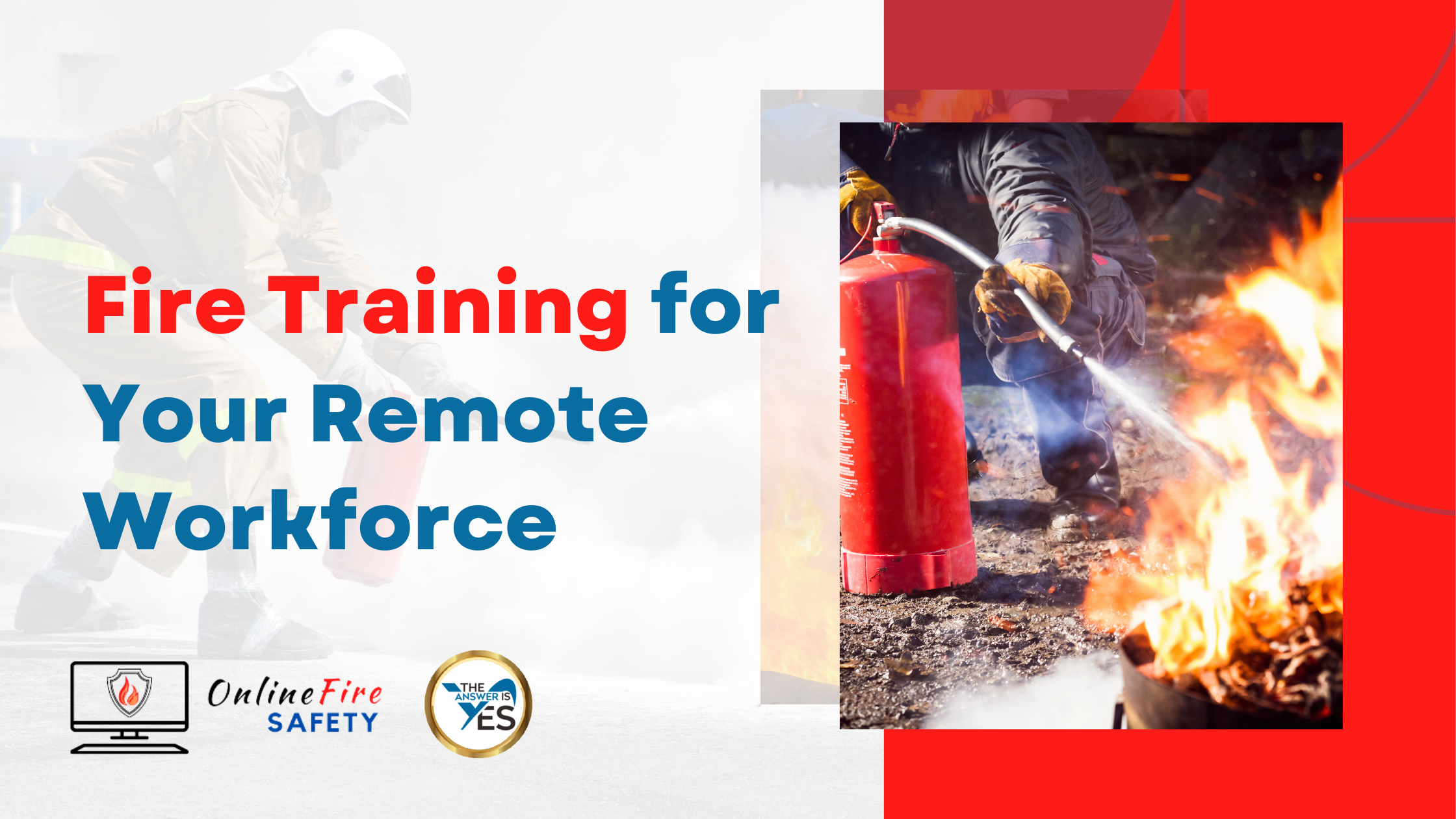
You learn safe extinguisher use, alarm activation processes, and first response coordination. Additionally, you clarify legal boundaries and personal safety limits. Therefore, your team responds within scope while maintaining control. Capability replaces chaos when training precedes crisis. This cluster delivers practical readiness:



Community and Home-Based Safety
Emergency preparedness extends beyond traditional workplaces. This program supports vulnerable populations and strengthens community safety awareness. It reinforces safe practices within home care and aged support environments. Preparedness protects the most vulnerable.

Multi-Lingual Courses
Many cleaning teams work during evening or night shifts, and many workers may not have English as their first language. Therefore, providing General Evacuation Training in multiple languages helps ensure every worker clearly understands emergency procedures and evacuation responsibilities. When safety instructions appear in a worker’s first language, comprehension improves and response times become faster during emergencies. Multilingual evacuation training therefore strengthens workplace safety, reduces confusion and ensures all staff can respond confidently when an evacuation is required.