Understanding Unconscious Bias
Unconscious bias refers to automatic mental shortcuts that shape how we interpret people and situations. These biases develop naturally through life experiences, social influences and cultural exposure. Because these patterns operate below awareness, they can affect behaviour without deliberate intent. Consequently, individuals may unknowingly favour certain ideas, personalities or backgrounds.
Recognising unconscious bias does not involve blame. Instead, it focuses on awareness and improvement. Greater awareness helps individuals pause, reflect and make more balanced decisions. As organisations develop this awareness, they create more thoughtful and inclusive workplaces.
Recognising Bias in Everyday Decisions
Bias often appears in subtle ways. Quick impressions, assumptions about competence or interpretations of behaviour may reflect unconscious beliefs rather than objective facts. Developing awareness allows individuals to slow down their thinking process. Pausing before making decisions creates space to examine whether assumptions are influencing judgement.
For example, reviewing evidence, seeking multiple viewpoints and reflecting on decision criteria helps reduce bias. These small adjustments can significantly improve fairness and clarity in professional environments.
Addressing Unconscious Bias
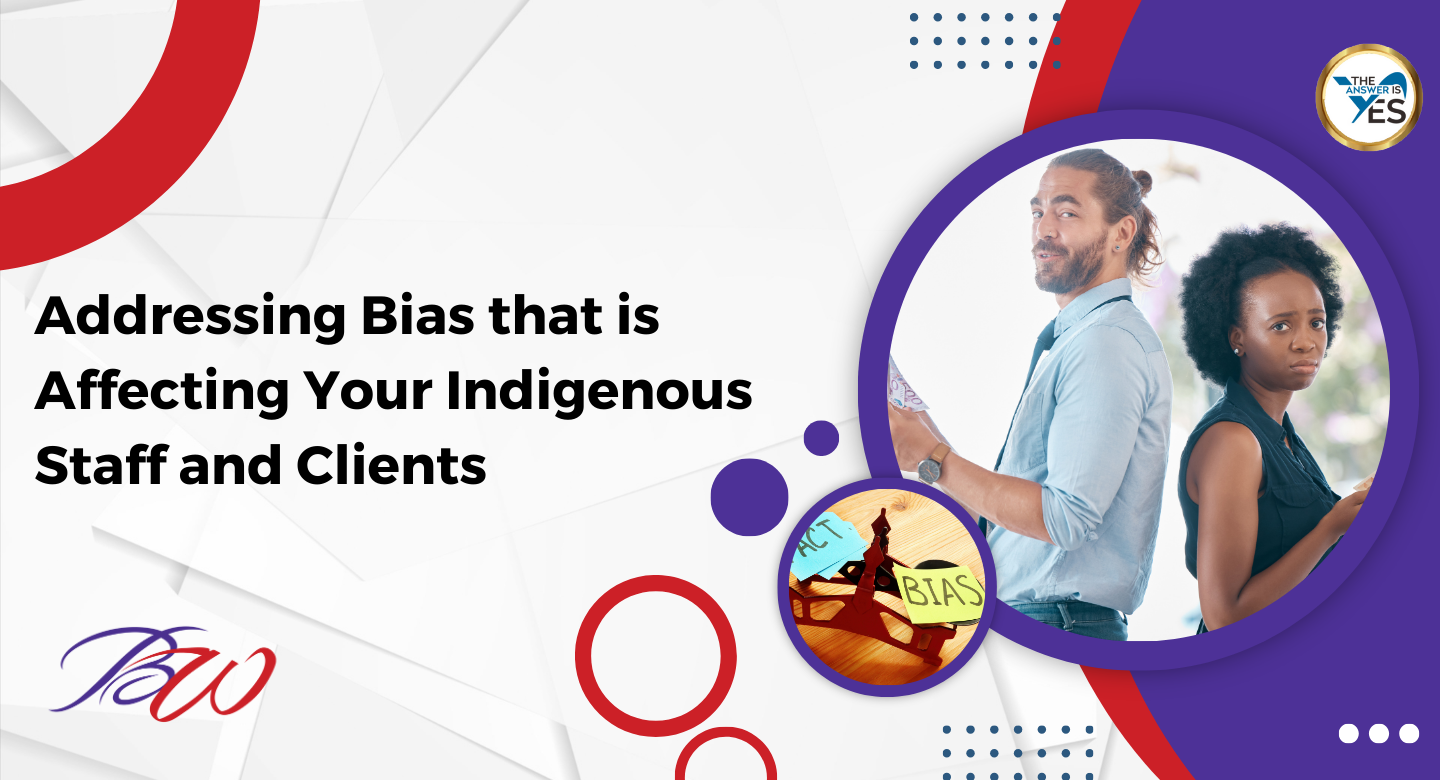
Unconscious bias influences decisions more often than people realise. When organisations address unconscious bias, they improve fairness, strengthen decision making and build healthier workplace cultures. Every person carries assumptions shaped by experiences, culture and environment. These assumptions operate quietly in the background. As a result, they can influence hiring decisions, team interactions and performance evaluations without conscious awareness.
Unexamined bias can lead to missed opportunities, misunderstanding and reduced trust. However, when organisations learn to recognise these hidden patterns, they create environments where people are assessed more fairly and collaboration improves. This course helps you understand how unconscious bias operates and how to address it constructively within professional environments.
Why Addressing Bias Matters in the Workplace
Unconscious bias can influence several workplace processes. Recruitment decisions, performance reviews and promotion opportunities may be affected when hidden assumptions guide judgement. Addressing bias strengthens fairness and transparency. Employees feel more confident when decisions are based on capability and contribution rather than assumptions.
Workplaces that actively address unconscious bias also benefit from broader perspectives. Diverse viewpoints encourage better problem solving and stronger innovation. Furthermore, respectful workplace environments increase engagement, retention and team collaboration.
Strengthening Fair and Respectful Workplaces
When organisations address unconscious bias, they strengthen workplace culture and professional relationships. Employees feel more confident contributing ideas when they believe their perspectives are respected. Leaders also gain greater clarity when evaluating performance and making decisions. Fair decision making improves trust while encouraging stronger collaboration across teams.
Addressing unconscious bias supports workplaces where people feel valued for their capability, contribution and potential. Begin developing the awareness and strategies that help create more thoughtful, balanced and effective professional environments.